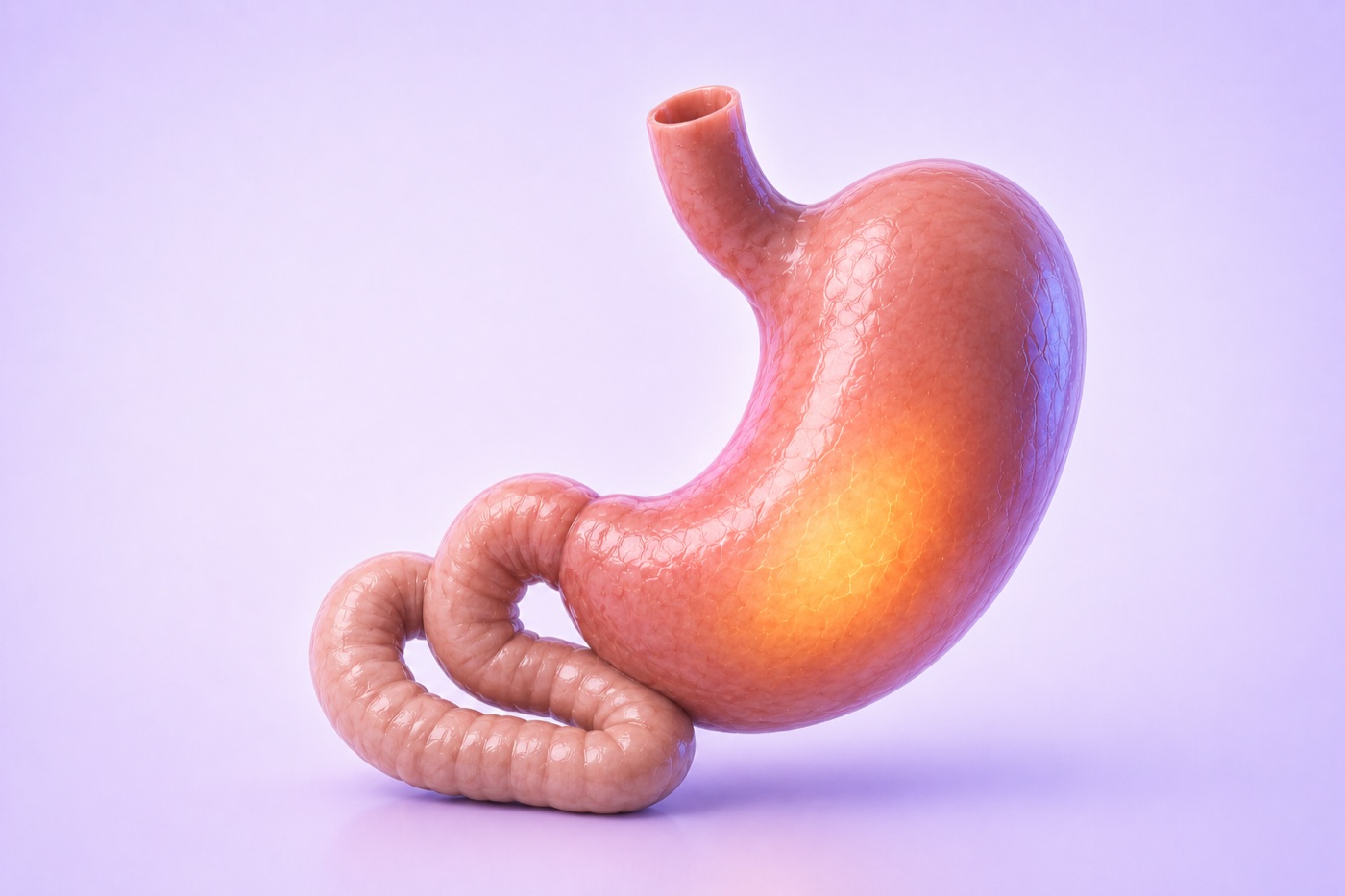
Opening. Welcome. Tonight we travel from a single hunger-signalling molecule up to the clinic — how hunger starts, how a meal stops, why obesity develops, and where every therapy acts on that same circuit.
One idea to carry through: appetite is a regulated biological system, not willpower.
Transition: start with a patient who is still hungry after eating.
01
Overview
We’re about to meet Layan — still hungry after she eats. First we define the terms: what hunger is, on what timescales it acts, and the whole system that decides when — and how much — we eat.
OverviewMicrophysiology of HungerHow a Meal StopsHypothalamic IntegrationWhy Obesity DevelopsClinical ApproachBreaking the CyclePharmacotherapySurgery
Section 1 of 9. We define our terms precisely — because hunger, appetite, satiation, and satiety are distinct clinical entities that too often get collapsed into one word.
The patient · clinical dossier
Layan — the clinical case
Personal data
Layan · girl · 13 y 2 m
Height 157 cm · weight 95 kg · rapid gain over ~2 y.
38.5
BMI kg/m²
Grade 3 severe obesity≈146% of the 95th pctBMI-for-age > 99th
History summary
Rapid weight gain, associated with persistent hunger ، Frequent snacking / night eating.
Onset in adolescence — not early-onset (<5 y) severe obesity; no developmental delay
Family history
Mother · T2DMGrandmother · T2DMFather · obesity
Physical examination
Acanthosis nigricans; narrow pale striae(obesity-associated — not wide violaceous).
High-normal BP; Tanner-appropriate puberty; normal linear growth.
No syndromic or Cushingoid features.
Labs
HbA1c 6.0% (prediabetes) · TG↑ / HDL↓.
TSH normal.
ALT ~60 → suspicion for fatty liver(needs confirmation & exclusion of other liver disease).
Teaching message: Layan turns the abstract complaint into one patient we follow through the whole deck — the physiology, the work-up, and every therapy map back onto her.
Classification: BMI 38.5 at 13 y 2 m ≈ 146% of the CDC 95th percentile (z ≈ 2.55, >99th) → Grade 3 severe obesity (>140% of the 95th percentile). Single clear grade — never “grade 2–3”.
Striae wording matters: narrow pale striae are expected with rapid adiposity; wide violaceous striae would raise Cushing — hers are not. Normal linear growth is recorded as an observation, not a definitive rule-out.
ALT: say “elevated ALT raising suspicion for fatty liver requiring confirmation, longitudinal assessment and exclusion of alternative liver disease” — never “ALT 60 = fatty liver”.
Positives vs negatives: the pertinent positives cluster as insulin-resistant, complicated common obesity; the negatives (normal growth, appropriate puberty, no syndromic/Cushingoid features, non-violaceous striae, normal TSH) argue against monogenic / secondary / Cushing.
Humility: monogenic/secondary causes are not excluded — the evaluation stays guided by phenotype. Avoid single-cause language.
Language with families: frame hunger as biology, not willpower or discipline — moralising damages the therapeutic alliance and is scientifically wrong.
Transition: to understand why her off-switch fails, we first need shared vocabulary — hunger vs appetite vs satiation vs satiety.
Shared vocabulary
Four words we must not blur
Each names a different process, on a different timescale, with different clinical levers.
Hunger
An internal brain state produced by physiological signals of energy need.
Appetite
The desire or readiness to eat — shaped by internal and external cues.
Satiation
Short-term processes that end the current meal — the feeling of fullness during eating.
Satiety
Longer-term processes that delay the next meal — how long fullness lasts afterward.
Key idea
Hunger is a brain state · Satiation ends the meal · Satiety delays the next one.
Teaching message: precision here pays off all lecture. Satiation ≠ satiety is the single most useful distinction for drug mechanisms later.
Nuance: appetite is not the same as hunger — external cues can drive the desire to eat without any energy need.
Transition: these four processes each run on their own clock — seconds to days.
The first principle · energy balance
Why weight changes: the bathtub
FaucetEnergy IN — everything eaten & drunk
DrainEnergy OUT — resting metabolism, always running
BucketEnergy OUT — physical activity & exercise
Water levelBody energy stores — i.e. weight
The level, not the flow, is what we treat
IN > OUT → the level rises · OUT > IN → it falls · IN = OUT → weight is stable. Obesity is a small, chronic surplus — and the brain then defends the new level, which is why the taps are far harder to turn than they look.
Teaching message: open the whole lecture with the one law everything else obeys — energy balance. The bathtub makes it physical: the faucet (intake), the drain (obligatory resting metabolism, the largest and least controllable outflow), the bucket (voluntary activity), and the water level (stored energy = weight).
Key point: the level only changes when inflow and outflow differ — but the two are not independent. Cutting intake lowers the drain (adaptive thermogenesis), which is why the level resists falling.
Clinical framing: obesity is not a failure to "close the tap" — it is a defended level. This sets up leptin resistance and the regain loop later.
Transition: so what actually turns the faucet on and off? That is hunger and satiety — and each runs on its own clock.
Physiological timeline
Eating is regulated across four times
Seconds
Cephalic phase
Trigger
Food seen · smelled · tasted — before swallowing
Effect · hormones
AgRP↓Vagus primes gut
AgRP neurons rapidly silenced
Minutes
Satiation · during meal
Trigger
Stomach fills — first nutrients arrive
Effect · hormones
Vagus→NTSCCK↑
Gastric stretch → the meal ends
Hours
Satiety · after meal
Trigger
Nutrients reach the distal intestine
Effect · hormones
GLP-1↑PYY↑Ghrelin↓
Delays the next meal
Days
Adiposity · long-term
Trigger
Body fat / energy stores
Effect · hormones
Leptin↑Insulinco-signalPOMC↑AgRP↓
Arcuate → sets the appetite set-point
Four clocks, one set of neurons
Each timescale converges on the arcuate AgRP ↓ / POMC ↑ balance. GLP-1 drugs act on the minutes–hours window; leptin biology is the days clock.
Teaching message: different timescales = different therapeutic targets. GLP-1 drugs act on the minutes-to-hours window (satiation + satiety); leptin biology is the days-and-longer window.
Audience question: “Which clock does a rapid eater outrun?” (the minutes clock — calories arrive before satiation develops).
Transition: now the whole wiring diagram.
The complete control system
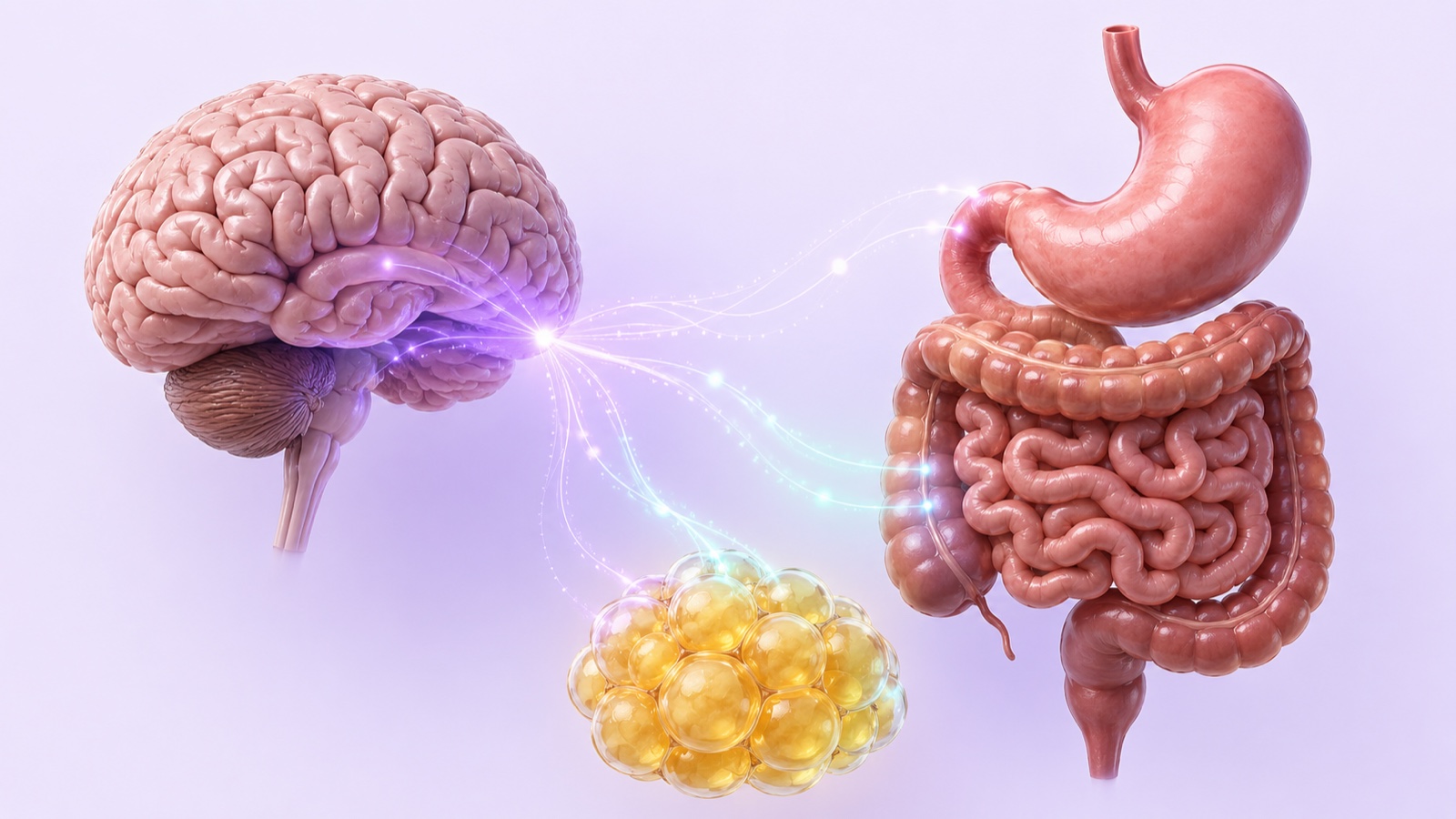
The gut–brain–adipose axis
Peripheral organs send afferent signals; the brain integrates them and issues outputs.
Inputs · click an organ
Afferent signal → brain target
Ghrelin+Distension−
SignalPre-meal ghrelin drives hunger — the lone “+”. Mechanical distension during eating signals fullness.
Teaching message: this is the master diagram — every later slide zooms into one arrow of it. Note ghrelin is the lone “+”; nearly every other gut/adipose signal inhibits intake.
Nuance: negative feedback (adiposity → leptin/insulin → ↓appetite) plus feed-forward (cues → prediction before nutrients arrive).
Transition: zoom into the pre-meal state and the ghrelin signal.
02
Microphysiology of Hunger
To trace Layan’s pre-meal hunger to its source: ghrelin is acylated, travels to the hypothalamus, and switches on the neurons that make us seek food.
OverviewMicrophysiology of HungerHow a Meal StopsHypothalamic IntegrationWhy Obesity DevelopsClinical ApproachBreaking the CyclePharmacotherapySurgery
Section 2 of 9. The flagship pathway. Walk it one step at a time — each “Next” advances the ghrelin cascade before moving on.
Flagship pathway · press → to advance each step
How ghrelin ignites hunger
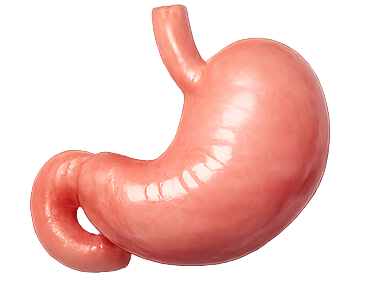
Empty stomach
Fasting drives ghrelin secretion by the stomach and duodenum.
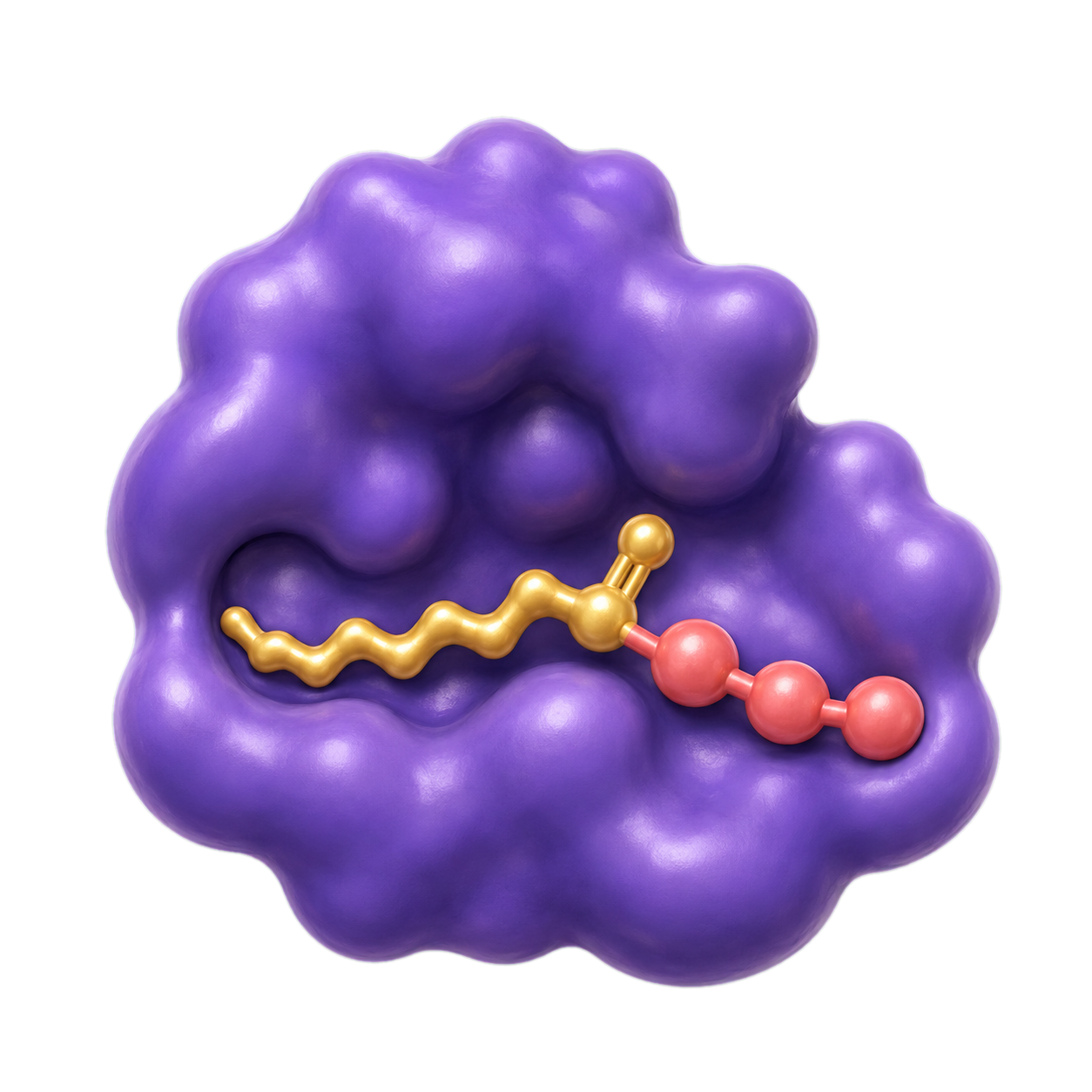
Des-acyl ghrelin
Produced first as des-acyl ghrelin — a homeostatic signal that does not activate the ghrelin receptor (GHSR); GOAT acylation is required for its orexigenic action.
GOAT acylation
The enzyme GOAT adds an octanoyl group → active acyl-ghrelin.
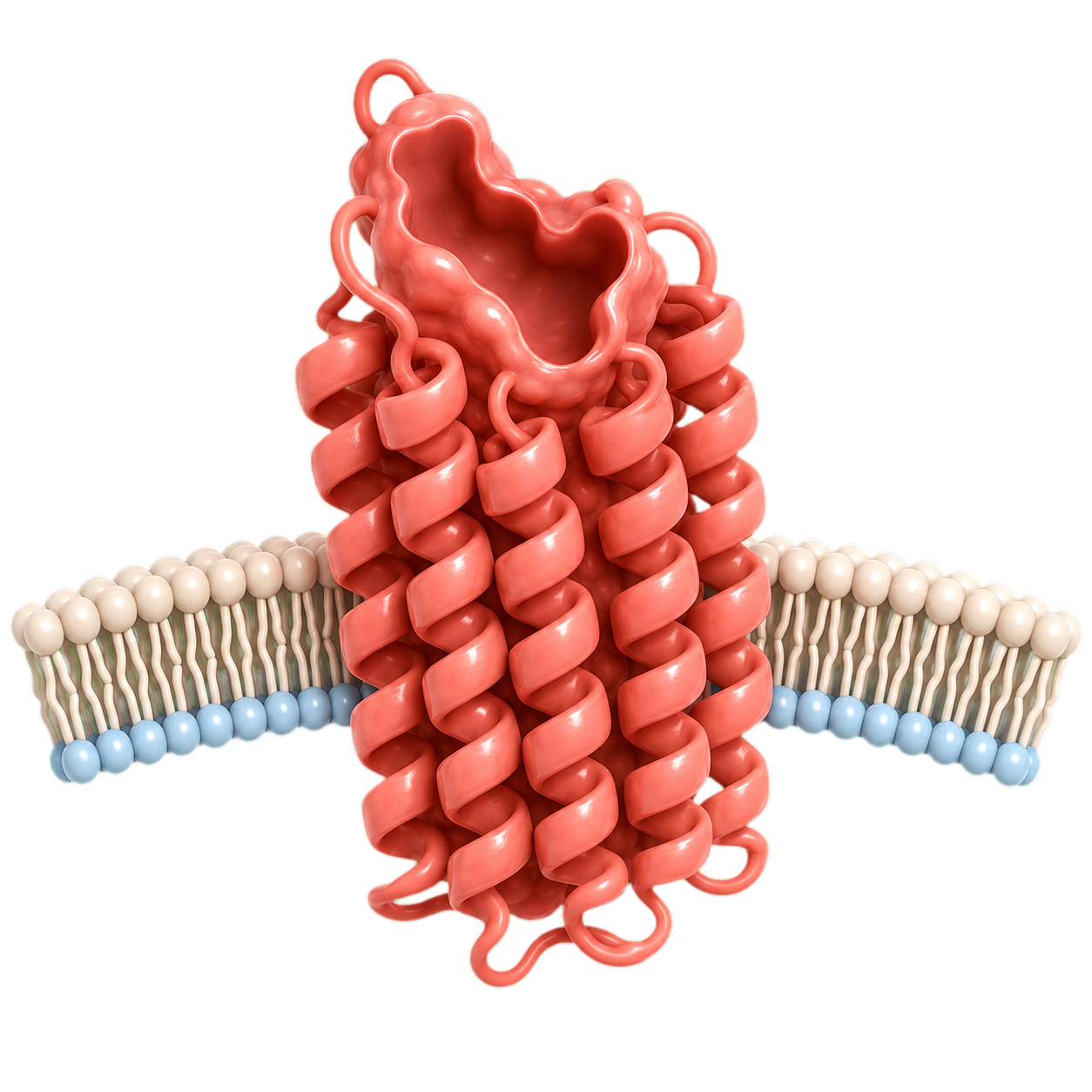
GHSR · on ARC
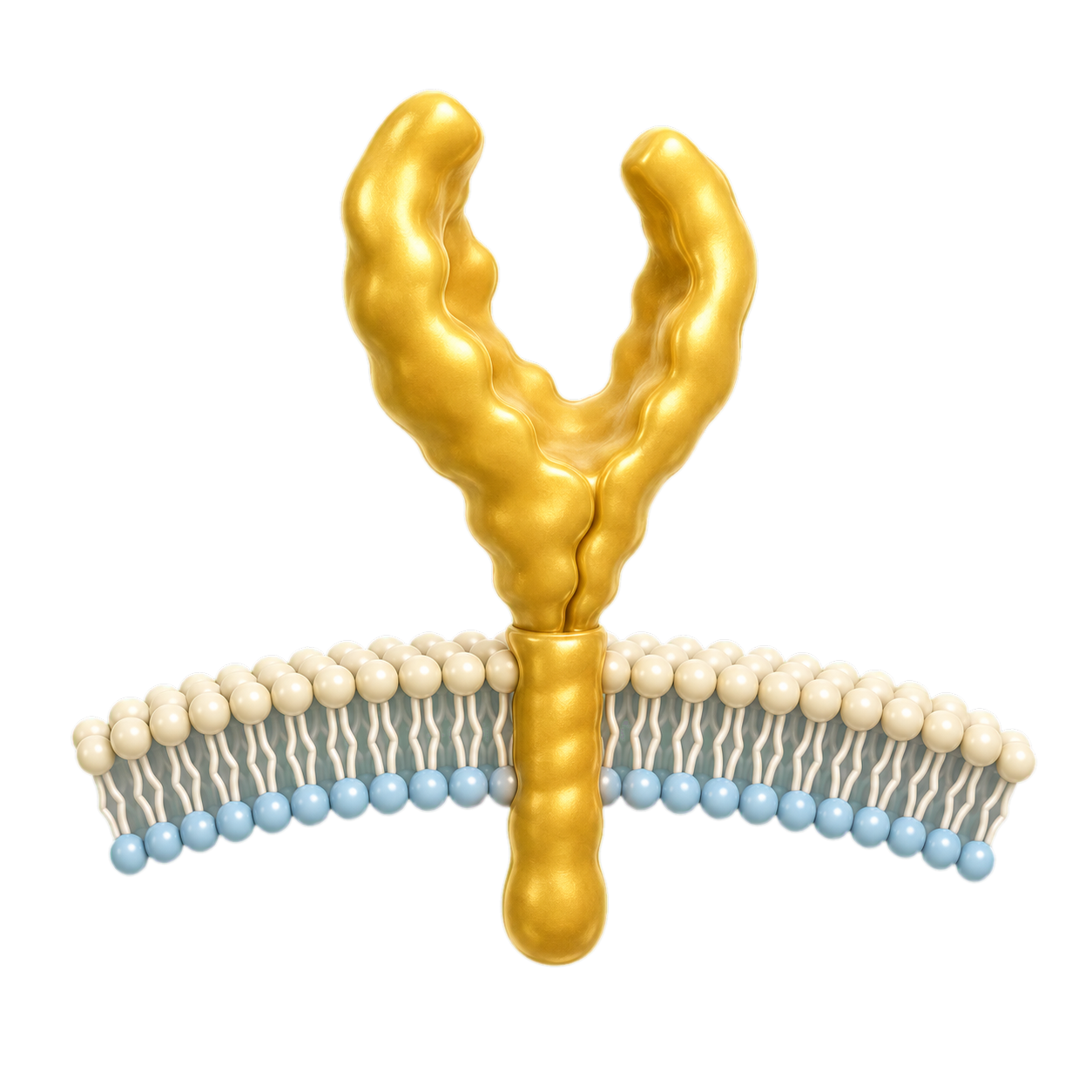
Acyl-ghrelin reaches GHSR1a on arcuate (ARC) NPY/AgRP neurons — also VMH & brainstem → positive energy balance.
Caveat
Ghrelin is a meal-anticipation & fasting signal — not the sole cause of hunger. Many signals and circuits interact.
Acyl-ghrelin binds its receptor (GHSR)
Teaching message: the canonical ghrelin production pathway — stomach to receptor. Acylation by GOAT is the activating step, a genuine drug target of interest.
Inside the arcuate neuron · what the receptor triggers
Ghrelin's signal inside the brain
AgRP / NPY — orexigenic neurons of the arcuate nucleus (ARC)
Rising calcium fires the orexigenic AgRP/NPY neurons of the arcuate nucleus (ARC) — the master “go-eat” cells.
NPYVia Y1/Y5 receptors → promotes eating & energy storage
The integrated output is a powerful, negative-valence hunger state that prioritises finding and eating food.
Feed-forward prediction
Cues switch hunger off before calories arrive
The mere sight or smell of food rapidly suppresses AgRP-neuron activity — within seconds, long before any nutrient is absorbed.
Sensory cue
Prediction
↓ AgRP
Why it matters
The brain predicts and pre-empts — so an obesogenic cue environment can drive eating with no true energy deficit.
Teaching message: rising intracellular calcium activates the arcuate AgRP/NPY neurons, producing an aversive, food-seeking drive — and that drive is switched off predictively, by cues, before calories arrive. Feed-forward suppression shows the system is predictive, not merely reactive, and explains cue-driven eating clinically.
Nuance: AgRP-neuron activity encodes an aversive state — hunger feels bad, which is motivationally powerful.
Misconception: “ghrelin = hunger.” It is one input among many.
Audience question: “Why do we feel less hungry the instant a meal is served?” → anticipatory AgRP suppression.
Transition: when prediction and reward override homeostasis.
Patients may eat in the absence of energy need because reward and cues can override homeostatic signals.
Teaching message: two parallel systems — homeostatic and reward. Modern food environments supercharge the reward arm.
Nuance: “wanting” can escalate with repeated exposure even as “liking” stays flat — the hallmark of cue-driven overeating.
Transition: now the opposite question — how does a meal actually stop?
Interactive · drag the slider
Try it: what drives hunger right now?
Time since last meal3 h
Fed · 0h←→Fasted · 18h
Hunger meterSatiated
23/ 100
Ghrelin
GLP-1
PYY
CCK
Insulin
AgRP/NPY · GO-EAT
POMC/α-MSH · STOP-EAT
What's driving the drive to eat
Just ate — satiety signals high, ghrelin low.
Interactive teaching: drag from Fed to Fasted. As the fast lengthens, ghrelin and the AgRP/NPY "go-eat" neurons climb while every satiety signal (GLP-1, PYY, CCK, insulin) and the POMC "stop-eat" neurons fall — and the hunger meter rises with them. Hunger isn't willpower; it's a hormonal state set by when you last ate.
Chapter summary · the whole hunger cascade in one map
Fasting → Hunger
Fasting
Empty stomach — low fuel
Ghrelin ↑
Released by the stomach
GHSR1a
Ghrelin's receptor
Arcuate nucleus
First-order neurons
AgRP · NPY ↑
Orexigenic neurons fire
POMC silenced
GABA inhibits it
MC4R blocked
AgRP blocks it
HUNGER ↑
Drive to eat rises
The melanocortin switch
AgRP blocks the MC4R receptor → hunger. Eating flips the very same switch the other way → next.
Fasting → hunger. An empty stomach's ghrelin (the only orexigenic gut hormone) drives arcuate NPY/AgRP/GABA neurons. AgRP is an inverse agonist that blocks MC4R while GABA silences POMC → hunger rises. Hover any node to focus it. (Framework: Sperling Ch. 24; leptin/insulin set the background tone on the same neurons.)
03
How a Meal Stops
Layan describes “no off-switch” — so here are the two switches: satiation ends the meal in progress, satiety keeps you from eating again too soon. Two clocks, two clinical levers.
OverviewMicrophysiology of HungerHow a Meal StopsHypothalamic IntegrationWhy Obesity DevelopsClinical ApproachBreaking the CyclePharmacotherapySurgery
Section 3 of 9. Satiation is the process most GLP-1 therapies amplify — worth building carefully.
Flagship pathway · first bite → meal termination
Satiation: how the meal stops
1 · Cephalic
Sight/smell/taste pre-activate the brain & gut.
2 · Oral
Chewing, texture & eating rate release early hormones.
3 · Distension
Gastric stretch activates mechanoreceptors.
4 · Nutrient sensing
I-cells detect nutrients and release CCK
5 · Vagus → NTS
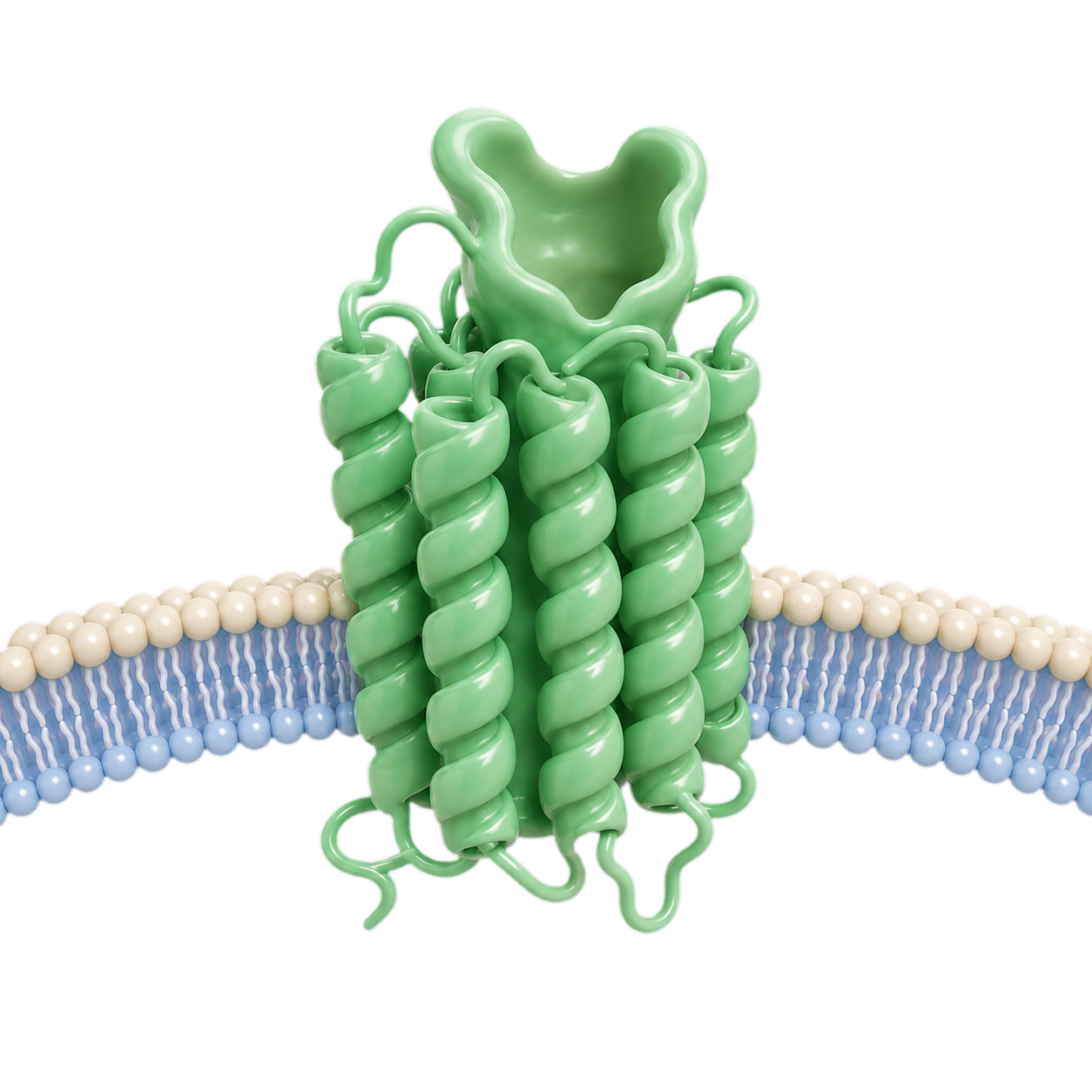
CCK1 receptors on vagal afferents signal the brainstem.
6 · Meal ends
Early fullness & termination of eating.
Classic satiation signal
Gastric distension + CCK = the core meal-termination duo.
Why eating rate matters
Rapid eating delivers calories faster than satiation signals can develop — so more is eaten before “full” registers.
CCK on vagal afferents signals the NTS
Key point
Satiation determines meal size — which is exactly the lever slower eating and gut-hormone drugs pull.
Teaching message: a mechanoreceptor + chemoreceptor story converging on the vagus and NTS. CCK is the prototype meal-ending hormone.
Nuance: eating rate is a modifiable behaviour with real physiology behind it — not just etiquette.
Clinical link: GLP-1 agonists slow gastric emptying and amplify this exact loop.
Transition: after the meal ends, why don’t we eat again immediately?
The post-meal window · minutes to hours
Satiety: why you don’t eat again immediately
Gut & pancreatic satiety signals
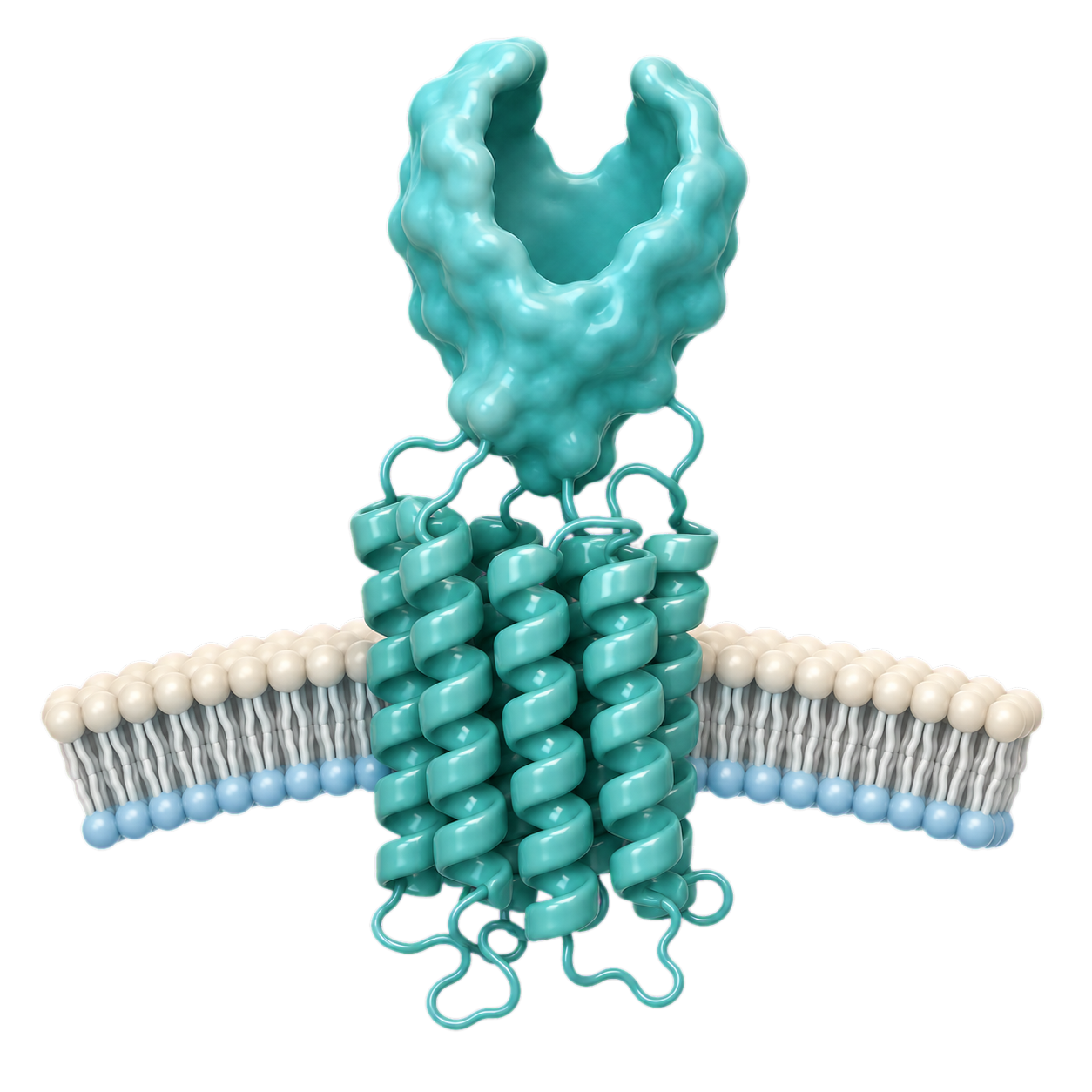
GLP-1 → GLP-1R −
PYY → Y2R −
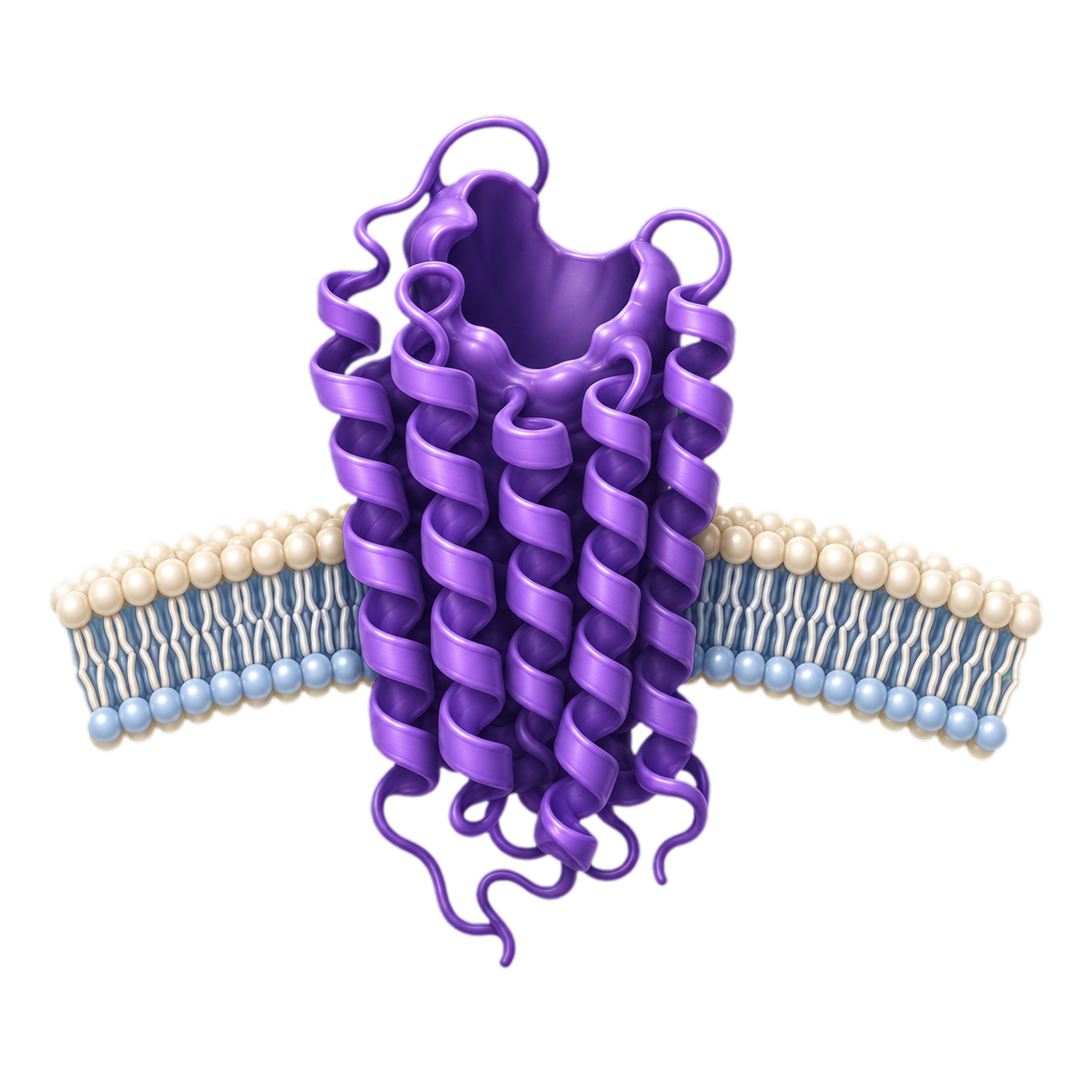
Insulin → insulin receptor −
Amylin → amylin receptor −
Released from intestinal L-cells and the pancreas, these act on the hypothalamus and area postrema / NTS to prolong fullness.
Intestine · L-cells
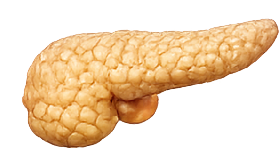
Pancreas
Physiological & behavioural outcomes
Delayed gastric emptying ↓
Reduced hunger ↓
Smaller next meal ↓
Longer inter-meal interval ↑
Time course — what acts when
15–30 min · CCK + gastric stretch → first fullness
1–3 h · GLP-1 & PYY peak as nutrients fill the gut
3–6 h · signals fade → hunger returns
Each gut signal peaks in its own window; chained together they delay the next meal.
Bottom line
Satiation ends the current meal · Satiety prevents early re-feeding.
Teaching message: satiety is the durable signal that sets meal frequency. GLP-1 and PYY are the headliners — and the pharmacological targets.
Nuance: endogenous GLP-1 has a very short half-life; drugs are engineered to resist degradation.
Transition: put satiation and satiety side by side.
Shrink the meal → target satiation. Stretch the gap between meals → target satiety. Modern drugs do both.
Teaching message: a two-column mental model students remember. Map behaviours and drugs onto each column.
Audience question: “A drug that makes portions smaller acts on which one?” (satiation).
Transition: upstairs to the hypothalamus, where all of this is integrated.
The four clocks of satiety · 1 / 4 — within seconds
Seconds → Cephalic response
Satiety is not one signal — it is four, each on its own clock. This is the first, and the fastest.
1 · Seconds
Sight & smell
2 · Minutes
Satiation
3 · Hours
Satiety
4 · Days–months
Leptin
Sight & smell
Food cues — before a single bite
Arcuate nucleus
Cue signals reach the first-order neurons
AgRP ↓
Orexigenic neurons are silenced within seconds
Hunger ↓
The drive to eat falls before any nutrient is absorbed
The brain predicts — it does not wait
Not one calorie has been absorbed, yet AgRP is already falling. Feed-forward, not feedback — which is exactly why an obesogenic cue environment can drive eating with no energy deficit at all.
Teaching message: open the satiety block by giving the audience the whole map first — satiety is four processes on four clocks (seconds · minutes · hours · days–months), and the next three slides walk down that strip. Then open clock 1: the cephalic response.
Mechanism: the mere sight or smell of food rapidly suppresses arcuate AgRP-neuron activity — within seconds, long before nutrients arrive. It is anticipatory (feed-forward), not a response to absorbed energy.
Why it matters clinically: cue-driven eating is a real physiological pathway, not weakness — food advertising and constant availability act on this exact circuit.
Transition: the food arrives → the stomach distends → clock 2, satiation, in minutes.
The four clocks of satiety · 2 / 4 — within minutes
Minutes → Satiation
Sight & taste
Food cues quiet AgRP
Gastric stretch
A full stomach distends
Vagus nerve
Vagal afferents fire
NTS (brainstem)
Relay to hypothalamus
POMC neuron
Anorexigenic neurons of the arcuate nucleus (ARC)
α-MSH
POMC's active product
MC4R
α-MSH activates it
SATIATION
The meal ends
The melanocortin switch
α-MSH activates MC4R → the meal stops — the exact opposite of ghrelin/AgRP acting on the same receptor.
Eating → satiation (within-meal). The sight/taste of food rapidly quiets AgRP; then gastric distension signals via the vagus nerve → NTS (brainstem) → hypothalamus, activating POMC → α-MSH, the MC4R agonist → the meal terminates. Satiation sets meal size. (Sperling Ch. 24.)
The four clocks of satiety · 3 / 4 — over hours
Hours → Satiety
Nutrients in gut
Food reaches the intestine
CCK · GLP-1 · PYY ↑
Gut hormones released
Vagus nerve
Vagal afferents fire
NTS (brainstem)
Brainstem relay
Arcuate nucleus
Hypothalamic hub
POMC ↑
Anorexigenic ARC neurons activated
α-MSH
POMC's product
AgRP ↓
Antagonist brake lifts
MC4R activated
α-MSH agonism wins
SATIETY
Lasting fullness
Same switch, toward satiety
Gut hormones push the MC4R switch toward satiety — ↑POMC/α-MSH and ↓AgRP. This is the pathway GLP-1 drugs amplify.
Intestine → satiety (between meals). Nutrients trigger enteroendocrine CCK (duodenum), GLP-1 and PYY (distal gut), which act via the vagus nerve → NTS and directly to raise POMC and lower NPY/AgRP → longer inter-meal satiety. This is the axis GLP-1 receptor agonists exploit therapeutically. (Sperling Ch. 24.)
The four clocks of satiety · 4 / 4 — over days to months
Days to months → Strategic satiety
Leptin reports how much fat you carry — the brake that defends long-term stores, not the next meal.
Adipose ↑
More fat mass → more leptin secreted
LepRb
Leptin crosses to the brain and binds LepRb.
JAK2 / STAT3
Intracellular signalling is switched on.
↑POMC · ↓AgRP
Tips the ARC toward the satiety population.
↓ appetite
α-MSH → MC4R → appetite falls, expenditure rises.
Insulin runs in parallel
Insulin
POMC↑ · AgRP↓
↓ appetite
Built-in brake
SOCS3 is an intracellular negative-feedback molecule that limits leptin signal transduction — an autoregulatory “stop.”
The logic
Leptin is a “fuel gauge,” not a satiety-per-meal hormone — it defends long-term energy stores.
Teaching message: leptin is negative feedback on adiposity. The JAK2/STAT3 arm is central; SOCS3 sets the gain and previews leptin resistance.
Nuance: exogenous leptin fails in common obesity precisely because signalling — not leptin level — is the problem.
Transition: so what goes wrong? Leptin resistance.
Checkpoint · quick check
Check understanding
Of the peripheral signals reaching the brain, which is the lone orexigenic (appetite-stimulating, “+”) hormone?
Checkpoint. Reinforces the master-diagram takeaway: ghrelin is the lone orexigenic gut signal; nearly everything else inhibits intake.
04
Hypothalamic Integration
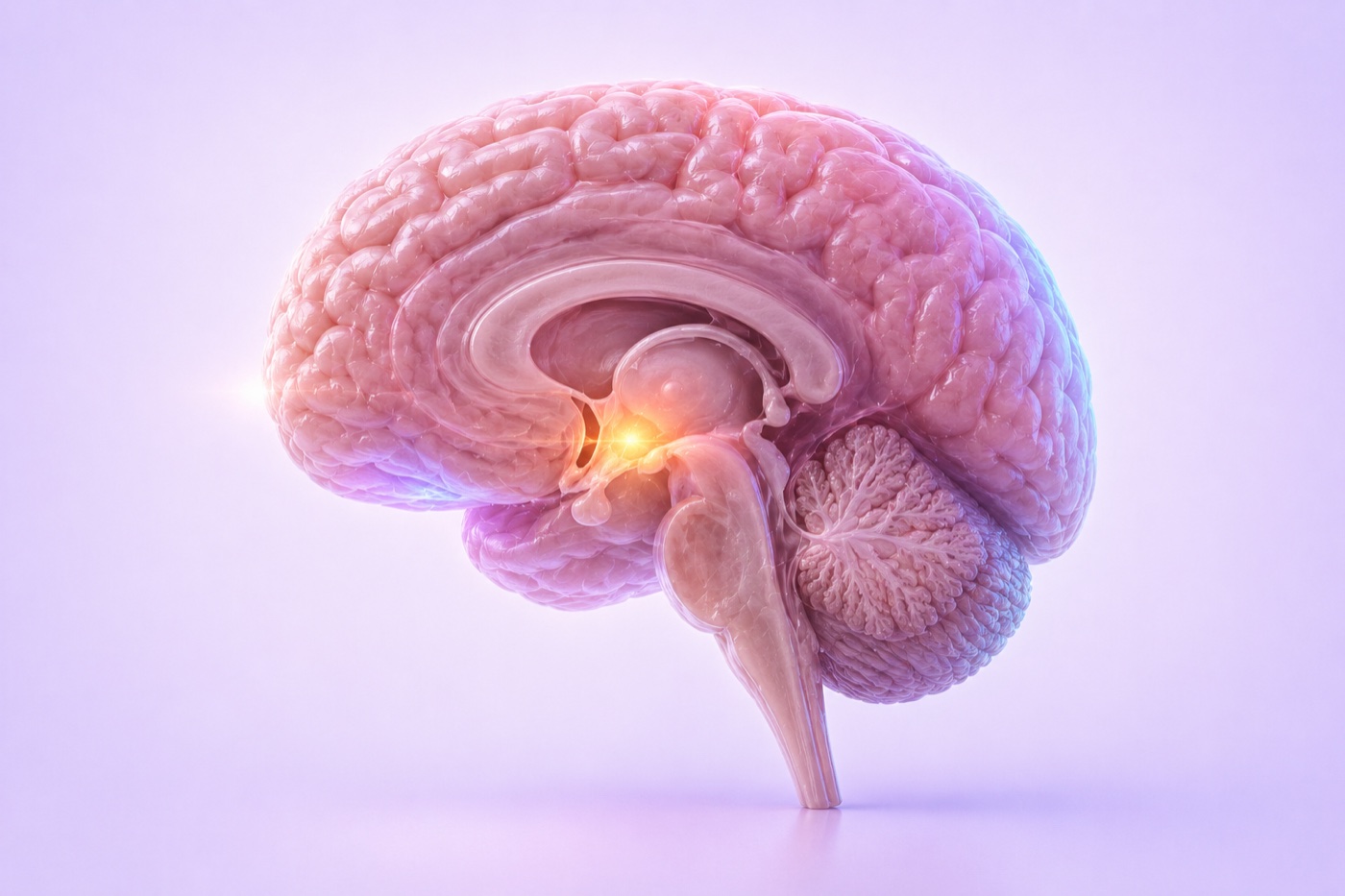
Where all of Layan’s signals are weighed: in the arcuate nucleus two neuron populations compete, and hormones from fat and pancreas tip the balance — with built-in brakes.
OverviewMicrophysiology of HungerHow a Meal StopsHypothalamic IntegrationWhy Obesity DevelopsClinical ApproachBreaking the CyclePharmacotherapySurgery
Section 4 of 9. The integration hub. Set up the AgRP-vs-POMC tug-of-war before layering leptin and insulin onto it.
Arcuate nucleus (ARC)
Two neuron populations, opposite votes
The ARC's first-order sensors — two populations read every circulating signal (leptin, insulin, ghrelin, PYY, glucose) and cast opposite votes.
+
AgRP / NPY / GABA
anabolic · orexigenic
Increases appetite. The “go-eat” population — active in fasting, driven by ghrelin.
Decreases appetite. The “stop-eat” population — activated when energy is plentiful.
POMC is processed to α-MSH, the key output peptide.
AgRP competitively antagonises MC4R
The melanocortin axis
POMC → α-MSH → MC4R is the master appetite brake — and the target of the newest precision drug, setmelanotide.
Teaching message: the ARC is a balance beam. AgRP antagonises MC4R; POMC-derived α-MSH activates it. This single receptor recurs in genetics and pharmacology.
Why the ARC can sense blood at all: it sits in the medial basal hypothalamus, where fenestrations in the blood–brain barrier let it directly sample circulating leptin, insulin, ghrelin, PYY and glucose (Sperling p.943–945).
Second-order relay: these first-order neurons project to the PVN & lateral hypothalamus via melanocortin receptors MC4R/MC3R, setting the net catabolic ↔ anabolic drive — a gated integrator that sums every peripheral signal into one “go-eat / stop-eat” decision.
Anchor: MC4R-null mice show severe hyperphagia and obesity — the strongest single-gene proof of this node's importance.
Nuance: monogenic obesity often maps onto this exact pathway (POMC, MC4R, LEPR).
Transition: what tips the balance? Leptin from fat.
When more hormone stops working
Leptin resistance: high signal, deaf receiver
Hyperleptinemia
Obesity → chronically high circulating leptin.
Impaired transport
Less leptin crosses into the brain (BBB).
Impaired signalling
SOCS3 ↑ (autoregulatory) blunts the LepRb response.
Hypothalamic inflammation
Inflammation, gliosis & ER stress impair leptin responsiveness.
The trap
The brain reads a low-leptin (starvation) state despite abundant fat — so it lowers resting energy expenditure and keeps hunger high, defending the weight.
Leptin is blocked at the blood-brain barrier
Back to Layan
Defended-weight biology like this is one mechanism that may help explain why prior diets were followed by regain in patients with a similar phenotype — context for her failed attempts, not a judgement on effort.
Reframe
Obesity is a state of impaired signalling, not absent hormone — which is why “just eat less” fights the brain’s own thermostat.
Teaching message: leptin resistance is the molecular bridge to “defended weight.” High leptin + poor signalling = brain perceives deficit.
Misconception: “obese patients lack leptin.” The opposite — they’re resistant to it.
Transition: zoom out to why obesity develops and why weight comes back.
Interactive · flip resistance on, watch the brain go deaf
The leptin paradox — try it
Body fat mass30%
low←→high
Hunger drive5/100
Brain reads:plenty of fat → suppress appetite
Leptin produced
LepRb brain signaling
Hunger drive
Leptin is the body's "fat is plentiful" signal. It must reach LepRb in the hypothalamus to turn hunger down.
Why obesity defends its weight
Healthy feedback: fat → leptin → brain → less hunger.
Interactive teaching: raise fat mass and leptin climbs. With resistance OFF the brain hears it (LepRb high) and hunger falls — healthy negative feedback. Flip resistance ON: leptin stays high but LepRb signaling collapses, so the brain misreads high fat as starvation and keeps hunger up. This is the leptin-resistance trap that makes obesity a defended state, not a willpower failure.
Checkpoint · quick check
Check understanding
In common obesity, circulating leptin is high, yet the brain behaves as if the body were starving. Why?
Checkpoint. Corrects the common “obese patients lack leptin” misconception — it is impaired signalling/transport, the molecular basis of defended weight.
05
Why Obesity Develops
Why Layan regained after each diet: obesity is multifactorial, and — critically — the body actively defends a raised weight. Regain is biology, not a lapse of willpower.
OverviewMicrophysiology of HungerHow a Meal StopsHypothalamic IntegrationWhy Obesity DevelopsClinical ApproachBreaking the CyclePharmacotherapySurgery
Section 5 of 9. The conceptual heart for clinicians: defended weight and the regain loop reframe how we counsel families.
A multifactorial condition
Many forces converge on weight gain
Genetic susceptibility
Sets the biological baseline and how strongly weight is defended.
Food environment
Cheap, abundant, hyper-palatable food and relentless cues.
Short sleep raises ghrelin, lowers leptin; low activity lowers expenditure.
Leptin resistance
The brain misreads energy stores and keeps hunger elevated.
Chronic positive balance
The sustained net result: intake exceeds expenditure over the long run.
Frame for families
Obesity is a chronic, multifactorial disease — understanding the biology is the key to effective, durable treatment.
Teaching message: no single cause. Genetics loads the gun; environment pulls the trigger; neurobiology sustains it.
Nuance: the same environment produces very different outcomes across genotypes — hence “phenotype before prescribing” later.
Transition: the most counter-intuitive part — why weight comes back.
Flagship loop · each → activates one arc
Why the body pulls weight back up
Weight-regain pressure
Weight loss
the trigger
Fat mass ↓
Leptin ↓
insulin ↓ · ghrelin ↑
Hunger & cravings ↑
~+100 kcal/d per kg lost
Expenditure ↓
resting + NEAT
Food preoccupation ↑
Defended body-weight range
Your body defends a range, not a number
Fall below it and counterregulatory mechanisms — hunger up, expenditure down — actively push you back toward the defended range.
Weight-loss adaptation is a biological defense, not poor willpower.
What-if · the deeper the cut, the harder the defense
Hunger↑
Expenditure↓
Projected regain pressure: Moderate
Back to Layan: this loop is one mechanism that may contribute to her post-diet regain — biology and environment together.
Teaching message: the single most important reframe for patients. Walk the loop arc by arc; land on “defended range.”
Nuance: adaptive thermogenesis + hormonal shifts persist long after weight loss.
Misconception to correct: “regain = the patient gave up.”
Transition: this is also why a plateau isn’t drug failure.
Interactive · move the slider, watch the body respond
What happens when you eat less — or more?
Daily intake2000 kcal
500 · deep deficit2000 · maintenance3500 · surplus
State:Energy balance — hormones steady
Projected weight · 12 weeksstable
At maintenance, weight holds steady.
Leptin
Ghrelin
Insulin
Thyroid T3 (leptin-driven)
Energy expenditure
Hunger drive
The body defends its weight
Cut calories and the body fights back — hunger rises while metabolism slows, so loss plateaus. This is why sustained weight loss needs more than willpower.
Interactive teaching: let the audience drive the slider. Below maintenance, the fall in leptin (Sperling p.943, 948) drives the counterregulatory response — ghrelin/hunger rise, insulin falls, and the leptin-driven fall in T3 lowers thermogenesis/expenditure — so the weight curve bends toward a plateau. Above maintenance, the mirror image (storage). Ties directly to "a plateau is biology, not failure." (T3's role in adaptive thermogenesis is standard physiology beyond the Sperling chapter, which frames the slowdown via leptin/REE.)
06
Clinical Approach
Now Layan is in front of us. From the first visit onward: confirm, assess drivers, screen, rule out mimics, examine, investigate, and personalise.
OverviewMicrophysiology of HungerHow a Meal StopsHypothalamic IntegrationWhy Obesity DevelopsClinical ApproachBreaking the CyclePharmacotherapySurgery
Section 6 of 9. The practical pivot. This is the framework fellows can take to clinic tomorrow.
BMI ≥95th centile. Grade 1 = 100–120% of the 95th · 2 = 120–140% · 3 = >140%.
2History & exam
Age of onset, meds, diet, sleep, family. Linear growth is the discriminator.
3Exclude secondary obesity
Poor growth → endocrine · hyperphagia with onset < 5 y → monogenic · dysmorphism / delay → syndromic.
4Screen comorbidities
ALT, glucose/HbA1c, lipids (TG:HDL >2.5), BP >90th, OSA, PCOS, MSK, mood.
5Intensive lifestyle
The cornerstone — and the family, not the child alone, is the target.
6Add pharmacotherapy
Always an adjunct to lifestyle, never a replacement. Semaglutide ≥ 12 y.Sequencing is contested: Sperling/Endocrine Society say after a failed lifestyle trial; AAP 2023 starts drugs concurrently, without waiting.
7Refer for surgery
Refer at ≥ 13 y: Grade 2 + a significant comorbidity, or Grade 3 alone — in a centre of excellence, with lifelong follow-up.
Reassess
For most children the goal is weight maintenance, not weight loss.
Family is the target · ΔBMI −1.5 vs −0.4 alone
Secondary causes are rare · <1% endocrine, <3% genetic
Lifestyle underlies every tier — drugs and surgery are adjuncts
Teaching message (Sperling 5e, Ch. 24, “Evaluation and Treatment of Pediatric Obesity,” pp. 971–977): “The key to successful obesity therapy is accurate diagnosis.” Fig. 24.11 (p. 966) runs the triage before lifestyle work: infantile onset → leptin-melanocortin defect; drug-associated gain → change the drug; poor linear growth despite weight gain → endocrine; midline defect / cranial irradiation or surgery → hypothalamic imaging; developmental delay or dysmorphism → genetic syndromes; only a normal exam with normal-or-increased stature routes to “assess modifiable lifestyle factors → screen for comorbidities.”
1 · Grade (p. 949): obesity = BMI ≥95th centile; paediatric grade 1 = 100–120% of the 95th, grade 2 = 120–140%, grade 3 = >140%. Cardiometabolic risk rises with grade. BMI z-score and waist circumference are more accurate for the individual child.
2 · History & exam (Table 24.1, p. 971): birth weight, gestational diabetes, prematurity, neonatal CNS injury, parental BMIs; medications (glucocorticoids, atypical antipsychotics); diet (skipped breakfast, sodas and juices, snacking); TV/screens; snoring; number of caretakers (stress, family chaos, lack of supervision). Exam: acanthosis nigricans, skin tags, waist circumference, BP >90th centile, hepatomegaly, hirsutism, tonsillar hypertrophy, tone/reflexes, fundi. “Classical endocrine evaluation is not necessary if linear growth is not attenuated.” Caveat: hyperinsulinaemia can accelerate growth via IGF-1 receptor cross-reactivity.
3 · Secondary causes are rare (p. 964): <1% classic endocrinopathy, <3% identifiable genetic cause in general obesity cohorts; ≈7% in severe paediatric obesity. In hyperphagic obesity with early onset, 5–10% have an identifiable genetic condition (up to 22% if syndromic, p. 966). Trigger age: AAP 2023 and the Endocrine Society both define "early onset" as before 5 years — use 5 y, not 3 y, as the threshold to test. Targeted work-up: TFTs/free T4, IGF-1 + IGFBP-3, 24-h urinary free cortisol or midnight serum cortisol, hypothalamic-pituitary MRI (coned-down views); leptin level and MC4R/LEPR testing for severe obesity in a toddler; karyotype + MRI for developmental delay.
4 · Comorbidity screen (Table 24.1): ALT + hepatic ultrasound (NAFLD — a normal ALT does not exclude it; 95th centile ALT = 25.8 U/L boys, 22.1 U/L girls); fasting glucose >100 or 2-h >140 = IGT, fasting >125 / 2-h >200 / HbA1c >6.5% = T2DM; lipids with raised VLDL and TG:HDL >2.5; SBP or DBP >90th centile; snoring/headache/tonsillar hypertrophy → OSA; hirsutism/oligomenorrhoea → PCOS; knee or hip pain (Blount — get knee/hip films); papilloedema → pseudotumor cerebri; affect, activity, school performance → depression. Uric acid >5.5 as a proxy for sugar intake.
5 · Lifestyle (p. 972): “remains the cornerstone.” Meta-analysis: BMI −1.5 when the family is targeted vs a non-significant −0.4 when the child alone is. Effective manoeuvres: eliminate sugar-containing beverages (soda and juice), shift to a low-glycaemic-load diet, ≥30 min vigorous exercise 5 days/week, restrict television. Weight maintenance — not loss — is the recommended target for most children, and diets matter as much for maintenance (the “starvation response”) as for loss.
6 · Pharmacotherapy (p. 973, Table 24.2): “must currently be considered adjuncts to standard lifestyle modification”; “should be considered only after an unsuccessful 6-month trial of lifestyle intervention.” Careful with ages: the youngest age for a general anti-obesity agent is 12 y (semaglutide). Setmelanotide is FDA-approved from age 2 in BBS and POMC/PCSK1/LEPR deficiency (and from 4 y in acquired hypothalamic obesity) — so "an FDA floor of 10 years" is wrong. Sequencing is contested: Sperling and the Endocrine Society require a failed lifestyle trial first; the AAP 2023 CPG explicitly rejects staged/watchful-waiting care and starts drugs alongside lifestyle "at the highest level of intensity." Sperling's 2021 snapshot — "orlistat (120 mg TID, ≥12 y) is the only agent approved for obesity per se" — is now out of date: semaglutide, liraglutide and phentermine/topiramate are all FDA-approved for paediatric obesity ≥12 y. Metformin remains T2DM ≥10 y, not an obesity approval. Targeted agents: octreotide for hypothalamic obesity, leptin only in leptin deficiency, GH only in Prader-Willi, and setmelanotide for POMC/PCSK1/LEPR deficiency, Bardet-Biedl syndrome and acquired hypothalamic obesity.
7 · Surgery (p. 975): the APSA/AAP expert panel limits it to adolescents with BMI >35 (or 120% of the 95th centile) plus a severe comorbidity (severe OSA, pseudotumor cerebri, T2DM, steatohepatitis), or BMI >40 (or 140% of the 95th) with a less severe comorbidity — in centres of excellence with a multidisciplinary team, lifelong nutritional surveillance, and a patient able to give consent. RYGB and sleeve gastrectomy dominate; only ~85% of adolescents with obesity become adults with obesity, which is why criteria are stricter than in adults.
Transition: it all starts with the history.
Where the story starts
History taking:
1Weight gain
Onset age
Rapid acceleration (Layan: over ~2 y)
Previous plateaus & interventions
2Eating phenotype
Hunger / satiety (Layan: "no off-switch")
Binge / loss of control
Night & emotional eating
Cues, sugary drinks (Layan: night eating, daily SSBs)
3Lifestyle & environment
Sleep & screen time (Layan: ~6 h + screens)
Physical activity
School / family meals
Food availability, stress
4Medical history
Hypothalamic injury
Endocrine symptoms
Developmental delay
OSA symptoms, constipation, reflux, headaches
5Medication review
Steroids
Atypical antipsychotics
Valproate, insulin, sulfonylureas
Some antidepressants / antiepileptics
6Family history
Obesity, T2DM (Layan: mother & grandmother T2DM, father obesity)
Dyslipidemia, HTN
PCOS, early CV disease
Genetic syndromes
Red flags in the history
Onset < age 5 with severe hyperphagia · poor linear growth · headaches/visual symptoms · polyuria/polydipsia · developmental delay · dysmorphic/syndromic features.
Teaching message: a structured history separates common obesity from secondary/monogenic causes. The red-flag row is the safety net.
Nuance: medication-induced weight gain is common and reversible — always reconcile the med list.
Transition: the focused physical exam.
Head-to-toe, with intent
Physical examination & comorbidities
Vitals & growth
BMI ↑
Waist circumference (optional)
Blood pressure (Layan: high-normal)
Height velocity (Layan: normal linear growth — an observation, not a rule-out)
Pubertal (Tanner) stage
Signs to seek
Skin: acanthosis nigricans, striae, hirsutism, skin tags (Layan: acanthosis present; narrow pale striae — not wide violaceous)
Cushingoid features (Layan: narrow pale striae → less likely, not excluded)
Neurologic symptoms
Severe early hyperphagia
Dysmorphism
Common / expected Needs further evaluation Red flag (urgent)
Teaching message: the exam is a comorbidity-and-mimic hunt. Psychosocial screening (depression, disordered eating, bullying, QoL) is part of the exam, not an afterthought.
Nuance: SCFE and Blount are “can’t-miss” orthopedic complications of pediatric obesity.
Transition: which investigations, and when.
The history & exam, distilled
What she has — and, just as important, what she doesn't
Red flags — absent
No extreme early-onset (< 5 y) hyperphagia
No developmental delay, dysmorphism or syndromic features
Normal linear growth — not slowing
No wide violaceous striae / Cushingoid habitus
No polyuria, polydipsia or symptomatic hyperglycaemia
No headache / visual change; no obesogenic medication
Concerning — present
Acanthosis nigricans — a marker of insulin resistance
Strong family T2DM (both sides) + parental obesity
Elevated ALT → fatty liver suspicion (needs confirmation)
Hyperphagia “no off-switch”, night eating, daily SSBs
Short sleep (~6 h) + high screen time
Reading the screen
Absent red flags lower the probability of monogenic / secondary disease — they do not exclude it. Present findings point to common polygenic obesity with early metabolic complications, which shapes both the work-up and the treatment order.
Teaching message: a real approach narrates the pertinent positives and negatives out loud. The absent red flags (early extreme onset, dysmorphism, growth failure, violaceous striae, symptomatic hyperglycaemia, obesogenic drugs) make classic monogenic/secondary causes less likely — but "less likely" is not "excluded"; the genetic/secondary work-up stays guided by phenotype and is revisited over time. The present findings — acanthosis, family T2DM, prediabetes, dyslipidaemia, fatty liver suspicion, hyperphagia, poor sleep — define her as common polygenic obesity that has already started to generate metabolic complications, and it is those complications (rising glycaemia + acanthosis) that will drive the first medication choice.
ALT / AST — fatty liver (Layan: ALT ~60 — suspicion of fatty liver, needs confirmation)
Blood pressure — hypertension
Sleep apnea screen — snoring, apneas
Menstrual / PCOS assessment
Mental-health screening
Fasting insulin is generally not needed for routine diagnosis.
Targeted · by phenotype
TSH & free T4 — only if thyroid symptoms / poor growth (Layan: TSH normal)
Cortisol / Cushing workup — only if suggestive features
Prolactin / pituitary — only if hypothalamic-pituitary clues
Genetic testing — severe early-onset obesity, hyperphagia, developmental delay, dysmorphism, or suggestive family history
Staging → decision
Obesity · BMI ≥ 95th percentile → lifestyle
+ comorbidity → lifestyle + closer follow-up
Severe · ≥ 120% of the 95th → drugs from ≥ 12 y; surgery from ≥ 13 y(Grade 3, or Grade 2 + comorbidity)
Teaching message: targeted, phenotype-driven testing — not a reflex panel. Staging links severity to the treatment tier.
Nuance: genetic testing is now actionable (e.g., setmelanotide-responsive conditions), so recognise who to send.
Transition: foundation of all treatment — lifestyle that breaks the cycle.
Staging · relative to the CDC 95th percentile
Obesity severity: grade 1, 2 and 3
Severity is graded as a % of the 95th percentile
Layan · BMI 38.5 · ≈146%
Grade 1 · obesity
Grade 2 · severe
Grade 3 · severe
100%
= 95th pct
120%
140%
160%
Grade 1Obesity
BMI ≥ 95th percentile for age & sex, and < 120% of it.
Grade 2Severe obesity
BMI 120–140% of the 95th percentile.
Grade 3Severe obesity
BMI > 140% of the 95th percentile.
Why the grade matters
Overweight sits below this scale (85th–95th percentile). Name one grade, never a range. The grade drives the tier: pharmacotherapy is offered from age ≥ 12 y with obesity of any grade (as an adjunct to intensive lifestyle); the grade is what opens the bariatric referral — Layan's ≈146% is Grade 3.
Teaching message: in children BMI is not read as an absolute number but relative to the 95th percentile for age and sex. Everything above that line is obesity; how far above it decides the class — and the class decides the treatment tier.
The ladder: overweight = 85th–<95th percentile · Grade 1 = ≥95th (and <120% of it) · grade 2 = 120–140% of the 95th · grade 3 = >140% of the 95th.
Why % of the 95th, not a z-score: above roughly the 97th percentile the BMI z-score compresses and stops discriminating — percent-of-95th keeps grading severity in the range where it matters most.
Say one grade: "Grade 3", never "grade 2–3". Layan: BMI 38.5 = ≈146% of her 95th percentile → Grade 3.
Why it changes management: keep the two thresholds apart. Pharmacotherapy is not grade-gated — it is offered from age ≥ 12 y to any adolescent with obesity, always on top of intensive lifestyle. The grade gates surgery: ≥ 13 y with Grade 2 + a significant comorbidity, or Grade 3 alone. Layan (13 y, Grade 3) meets both.
Transition: from the grade to the actual plan.
07
Breaking the Cycle
Where Layan’s plan begins — before drugs: the physiological levers of lifestyle, each targeting a specific node of the cycle we just mapped.
OverviewMicrophysiology of HungerHow a Meal StopsHypothalamic IntegrationWhy Obesity DevelopsClinical ApproachBreaking the CyclePharmacotherapySurgery
Section 7 of 9. Lifestyle is not the “weak” option — it is the mechanistic foundation every drug and surgery builds on.
Motivational interviewing to work through ambivalence
Realistic, sustainable goals
For most children the target is weight maintenance, not loss · health markers improve · durable habits — not just a number on the scale.
Teaching message: connect each lever back to a mechanism from earlier sections — protein/fiber→satiation, sleep→ghrelin/leptin, activity→insulin sensitivity.
Nuance: preserving lean mass matters, especially alongside potent pharmacotherapy.
Transition: what patients actually feel when this works.
What the patient may feel
Success parameters
Less reactive hunger
Hunger intrudes less on the day
Longer satiety
Fuller for longer after meals
Fewer cravings
Less “food noise”
Better control around food
Less unplanned snacking
Improved energy
More activity feels possible
Teaching message: patient-centred language you can reuse in counselling. The final caveat is clinically vital when drugs enter the picture.
Nuance: weight loss driven by nausea/aversion is not the goal and can signal intolerance.
Transition: now the pharmacology — where each drug acts on the circuit.
08
Pharmacotherapy
If lifestyle alone can’t hold Layan’s defended weight: each drug breaks a specific node of the cycle. Know where it acts, what she would feel, and — crucially — the pediatric approval status.
OverviewMicrophysiology of HungerHow a Meal StopsHypothalamic IntegrationWhy Obesity DevelopsClinical ApproachBreaking the CyclePharmacotherapySurgery
Section 8 of 9. Start with the interactive map — click each agent to see where it acts — then deep-dive the key drugs. Always separate pediatric diabetes approval from pediatric obesity approval.
Interactive · click a medication
Where each drug breaks the cycle
Metformin Insulin sensitiser
Acts whereLiver, muscle, gut — not primarily the brain
Pediatric statusAdolescents ≥13 with severe obesity in experienced centres; lifelong follow-up
Metabolic therapy, not mechanical restriction alone
Teaching message: the organising visual for pharmacology — every drug maps to a node of the cycle. Demonstrate 2–3 live clicks (metformin vs semaglutide vs surgery) to show the contrast in where they act.
Boxed warning: thyroid C-cell tumors — avoid with MTC / MEN 2
GLP-1 slows gastric emptying
Brand clarification
Ozempic is semaglutide but the diabetes brand — do not confuse it with Wegovy (obesity). A plateau does not necessarily mean drug tolerance.
Teaching message: the class that redefined obesity pharmacotherapy. Emphasise titration to limit GI effects, and the brand/molecule distinction.
Nuance: boxed warning is class-wide; screen for a personal or family history of medullary thyroid carcinoma (MTC) or multiple endocrine neoplasia type 2 (MEN 2).
Audience question: “Ozempic vs Wegovy — same molecule?” (yes; different brand/indication/dosing).
Transition: the dual-agonist next step, tirzepatide.
Medication deep-dive · dual GIP + GLP-1
Tirzepatide: Mounjaro & Zepbound
How it works
Dual agonism of GIP and GLP-1 receptors → stronger satiety signalling, reduced hunger, slower gastric emptying, and major improvement in post-prandial glucose/lipid handling.
GIP + GLP-1
↓ hunger · ↑ satiety
Dosing & titration
Start 2.5 mg SC once weekly × 4 weeks
Then 5 mg once weekly
↑ by 2.5 mg every 4 weeks as tolerated, up to 15 mg
Maintenance commonly 5, 10, or 15 mg
MOUNJARO
tirzepatide · T2DM. Indicated for adults and pediatric patients ≥10 y with type 2 diabetes.
ZEPBOUND
tirzepatide · obesity brand. Chronic weight management in adults with obesity, or overweight with ≥1 comorbidity.
Safety
GI symptoms common (nausea, vomiting, diarrhea, constipation)
Gallbladder disease, pancreatitis risk
Boxed warning: thyroid C-cell tumors — contraindicated with MTC / MEN 2
Do not conflate
Pediatric obesity approval is not the same as pediatric T2DM approval — and the brand is not the molecule.
Teaching message: dual incretin agonism, and the same brand-vs-indication trap as semaglutide. Titrate slowly.
Nuance: Mounjaro (T2DM, has a pediatric age) vs Zepbound (obesity) — label by indication and jurisdiction.
Transition: the remaining agents and precision therapy.
Medication deep-dive · the rest of the toolkit
Other medications & precision therapy
1
Orlistat
Irreversible intestinal lipase inhibitor
Does: ↓ dietary fat absorption
Dose: 120 mg three times daily with fat-containing meals
Transition: when biology and drugs aren’t enough — surgery.
Applying the toolkit to Layan
Interventional treatment steps:
The foundation · under every rung
Intensive health-behaviour & lifestyle treatment — sleep, screen time, sugar-sweetened drinks, activity, family-based support. Every medication is added to this base, never a replacement.
1
Metformin
first medication · metabolic
Indicated by rising HbA1c + significant acanthosis (insulin resistance).
Targets dysglycaemia / IR; modest weight effect.
Not a potent anti-obesity drug on its own.
2
Semaglutide
approved adolescent obesity GLP-1 (≥12 y)
Her anti-obesity agent — weekly subcutaneous.
Titrate monthly to the therapeutic dose.
Also ≥12 y: liraglutide, Qsymia, orlistat · screen MTC / MEN 2.
3
Surgery
metabolic-bariatric (AAP 2023)
Refer ≥ 13 y when lifestyle ± medication is insufficient.
Grade 3 — no comorbidity required; Layan qualifies.
Keep it on the table; reassess longitudinally.
Not a rung · tirzepatide is emerging / off-label in adolescents
Zepbound = adult obesity · Mounjaro = paediatric T2DM (≥ 10 y). Never present a T2DM approval as an obesity approval.
Regulatory (US FDA), separate from physiology: metformin peds T2DM ≥10 y · Wegovy peds 2022 · Saxenda peds 2020 · Qsymia peds 2022 · Xenical peds 2003 · Zepbound adult only / Mounjaro peds T2DM ≥10 y · Setmelanotide = monogenic/syndromic only · Surgery: AAP CPG 2023. Confirm by jurisdiction & date.
Teaching message: translate the whole pharmacology section into one concrete, defensible plan for Layan without over-claiming.
Foundation first: intensive lifestyle treatment is the base that every other step is added to — not an alternative to medication.
Metformin is her first medication — driven by rising HbA1c + significant acanthosis (insulin resistance/dysglycaemia), not by weight alone; it is a metabolic adjunct, not a potent anti-obesity drug.
Then the approved obesity agent: semaglutide (Wegovy) ≥12 y, titrated monthly to the therapeutic dose (liraglutide/Qsymia/orlistat also ≥12-labelled).
Safety framing: tirzepatide is emerging/off-label in adolescents — Zepbound is adult-obesity, Mounjaro is pediatric T2DM (≥10 y). Never present a T2DM approval as an obesity approval.
Surgery: she is 13 y with Grade 3 obesity, so she meets the AAP 2023 age + BMI threshold for referral consideration if lifestyle ± pharmacotherapy is insufficient — framed as a longitudinal option, not an immediate step.
Humility: a plateau later would be multifactorial (adherence, dose, sleep, biology) — reassess, don't assume tolerance.
Checkpoint · quick check
Check understanding
Ozempic and Wegovy — are they the same molecule?
Checkpoint. Drives home the safety point: brand ≠ molecule, and diabetes approval ≠ obesity approval. Same semaglutide, different label/dose/indication.
09
Metabolic & Bariatric Surgery
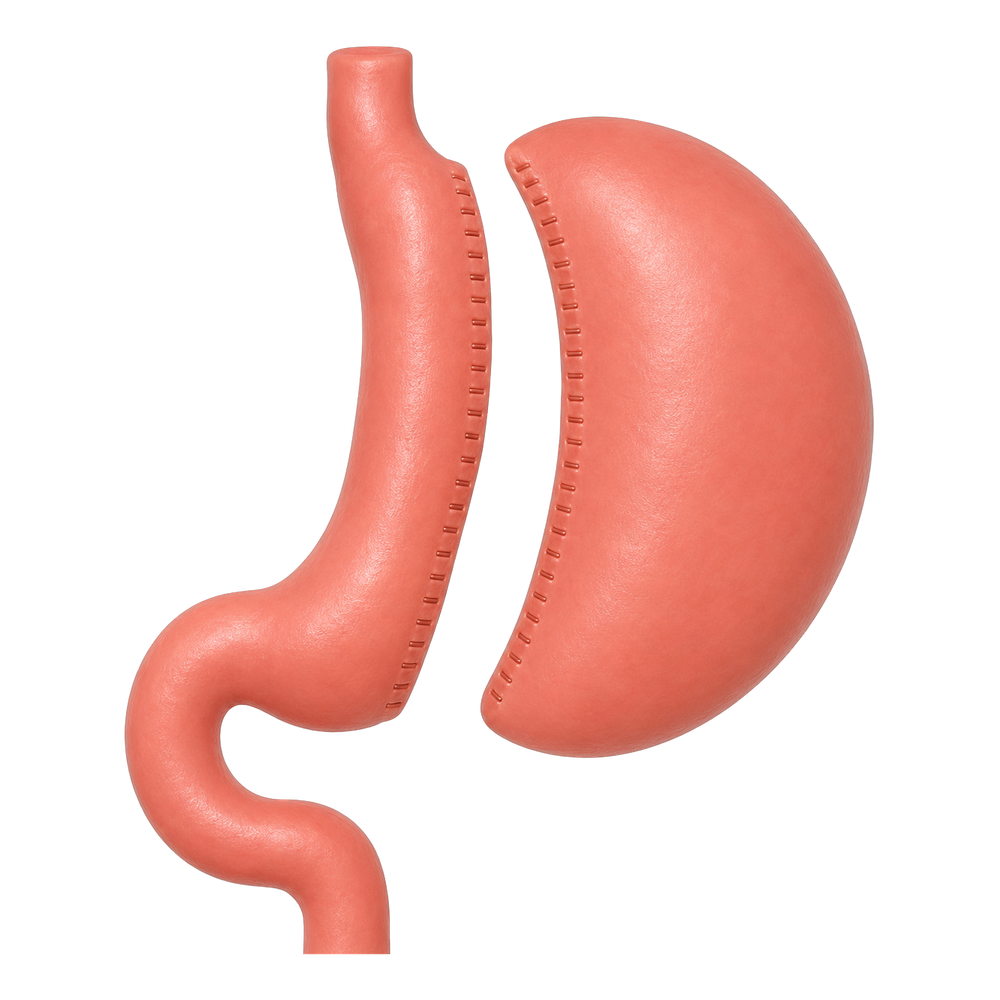
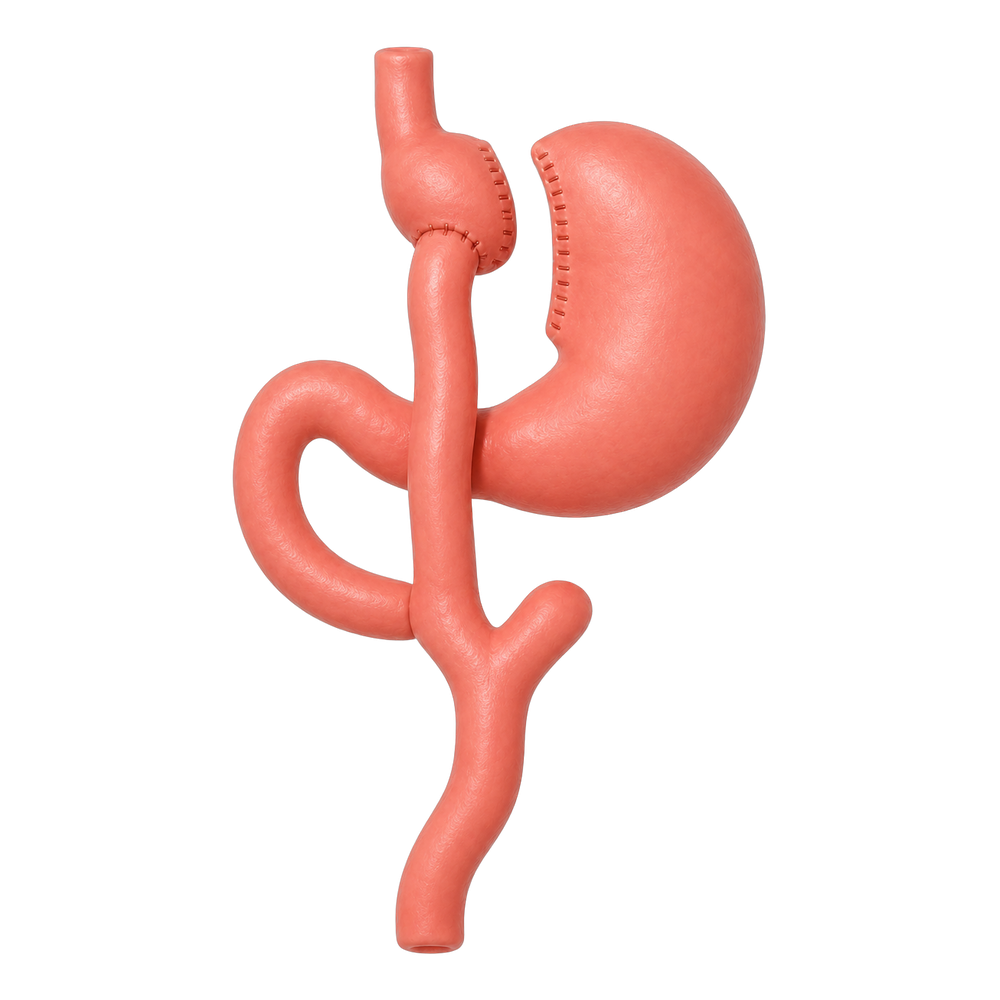
Should Layan’s course ever lead here: surgery is not merely a smaller stomach. It rewires gut hormones and gut–brain signalling — a metabolic therapy.
OverviewMicrophysiology of HungerHow a Meal StopsHypothalamic IntegrationWhy Obesity DevelopsClinical ApproachBreaking the CyclePharmacotherapySurgery
Section 9 of 9. Reframe surgery from “restriction” to “metabolic reprogramming” — the key conceptual correction of this section.
Substantial weight loss (regain in a significant subset)
Improved / remission of T2DM
Improved OSA, hypertension, fatty liver
Better quality of life & function
Risks & commitments
Leak, bleeding, surgical complications
GERD (sleeve) · dumping (bypass)
Gallstones · micronutrient deficiencies
Lifelong follow-up & supplementation
Mechanism ≠ restriction
Surgery alters ghrelin, GLP-1, PYY, bile acids, gut–brain communication, insulin sensitivity, meal size, and eating behaviour — together.
The reframe
Surgery is a metabolic therapy that restores hormonal and functional balance — not just a mechanical size reduction.
Teaching message: the hormonal case for surgery — this is why it can induce diabetes remission out of proportion to weight lost.
Nuance: patient experience shifts over time; adherence and structured follow-up are decisive.
Transition: pull the whole story together.
Integration · the through-line
Take home message:
Checkpoints: take the three quick checks along the way
1
Hunger is biology, not willpower.
The brain sets it, using signals from the gut and from body fat.
2
Satiation ends this meal. Satiety delays the next one.
Two different jobs — and two different clocks.
3
Satiety runs on four clocks.
Seconds (seeing food) → minutes (a full stomach) → hours (gut hormones) → days (leptin).
4
One switch decides: MC4R.
AgRP blocks it and you eat; α-MSH turns it on and you stop.
5
The interest of food alone can make you eat.
No energy shortage is needed — which is why a food-rich environment is so powerful.
6
The body defends the weight it has reached.
Regain after a diet is physiology — not a failure of effort.
7
Grade the severity, then match the treatment.
Percent of the 95th centile decides the tier: lifestyle → medication → surgery.
8
Every drug breaks one link in this cycle.
Match the drug to the mechanism — and lifestyle stays underneath all of them.
Closing. Recap the arc: signal → integration → defense → treatment. Invite questions.
Audience question to leave them with: “For your next patient, which node will you target first — and why?”
Sources & scope
References & disclaimer
Primary source
The physiology of energy balance, hormone signalling, obesity definitions/staging, and the clinical approach in this deck follow: Han JC, Weiss R. “Obesity, Metabolic Syndrome and Disorders of Energy Balance.” In: Sperling Pediatric Endocrinology, 5th ed. Elsevier; 2021: Chapter 24 (pp. 939–984).
Post-2021 therapies (semaglutide, tirzepatide, setmelanotide) and drug ages/warnings follow current prescribing information — confirm by jurisdiction and date.
Corroborating sources
Hampl SE, et al. Clinical Practice Guideline for the Evaluation and Treatment of Children and Adolescents With Obesity. Pediatrics. 2023;151(2):e2022060640. — severity grades, comorbidity screening, family-based treatment, surgery ≥ 13 y.
Styne DM, et al. Pediatric Obesity — Assessment, Treatment, and Prevention: an Endocrine Society Clinical Practice Guideline. J Clin Endocrinol Metab. 2017;102(3):709–757. — no endocrine work-up unless linear growth is attenuated; weight maintenance as the goal.
Andermann ML, Lowell BB. Toward a Wiring Diagram Understanding of Appetite Control. Neuron. 2017;95(4):757–778. — arcuate AgRP/POMC circuitry; cue-driven AgRP suppression within seconds.
Weghuber D, et al. Once-Weekly Semaglutide in Adolescents with Obesity (STEP TEENS). N Engl J Med. 2022;387(24):2245–2257. — the ≥ 12 y GLP-1 evidence base (BMI −16.1% vs +0.6%).
References slide. Sperling Ch.24 is the spine of the deck; the four corroborating sources were each conflict-checked against it.
Known divergence to name if asked: Sperling and the Endocrine Society gate pharmacotherapy behind a failed lifestyle trial; the AAP 2023 CPG explicitly rejects staged care and starts drugs alongside lifestyle. The deck shows both positions rather than hiding the disagreement.
Deliberately not cited: Kelly AS et al. (Circulation 2013) — the origin of the 120%/140% cut-offs, but superseded by AAP and pharmacologically obsolete (it predates every GLP-1 pediatric approval).
Drug ages and boxed warnings come from current FDA labelling, not from the trials — confirm by jurisdiction and date.
Pediatric Endocrinology · Grand Rounds
Thank you
Hunger is biology — and biology is treatable.
Any Questions?
Close warmly and open the floor. Recap the one idea: hunger is a biological system, and every lever we discussed targets a real node in it.
Speaker notes
Overview
Click any slide to jump there.
Use →← to navigate · F fullscreen · N notes · O overview








 Food seen · smelled · tasted — before swallowing
 AgRP↓
AgRP↓
 Vagus primes gut

 Stomach fills — first nutrients arrive
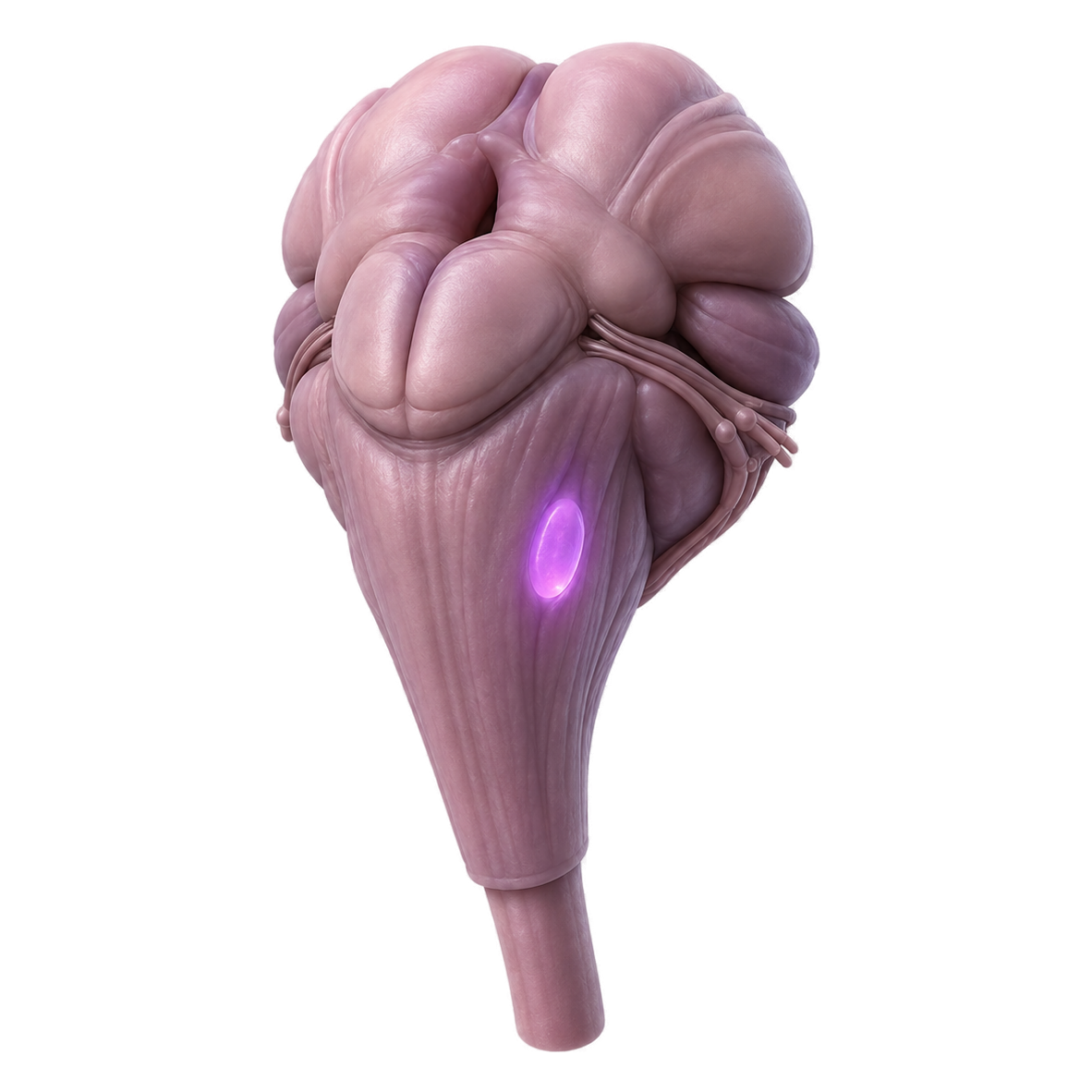 NTS
NTS
 CCK↑
CCK↑

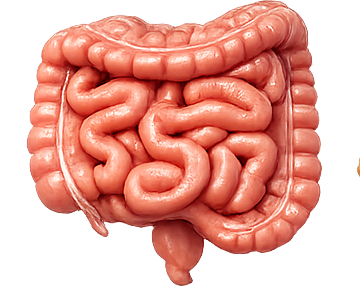 Nutrients reach the distal intestine
 GLP-1↑
 PYY↑
PYY↑
 Ghrelin↓

 Body fat / energy stores
 Leptin↑
 Insulinco-signal
 POMC↑
POMC↑
 Amylin−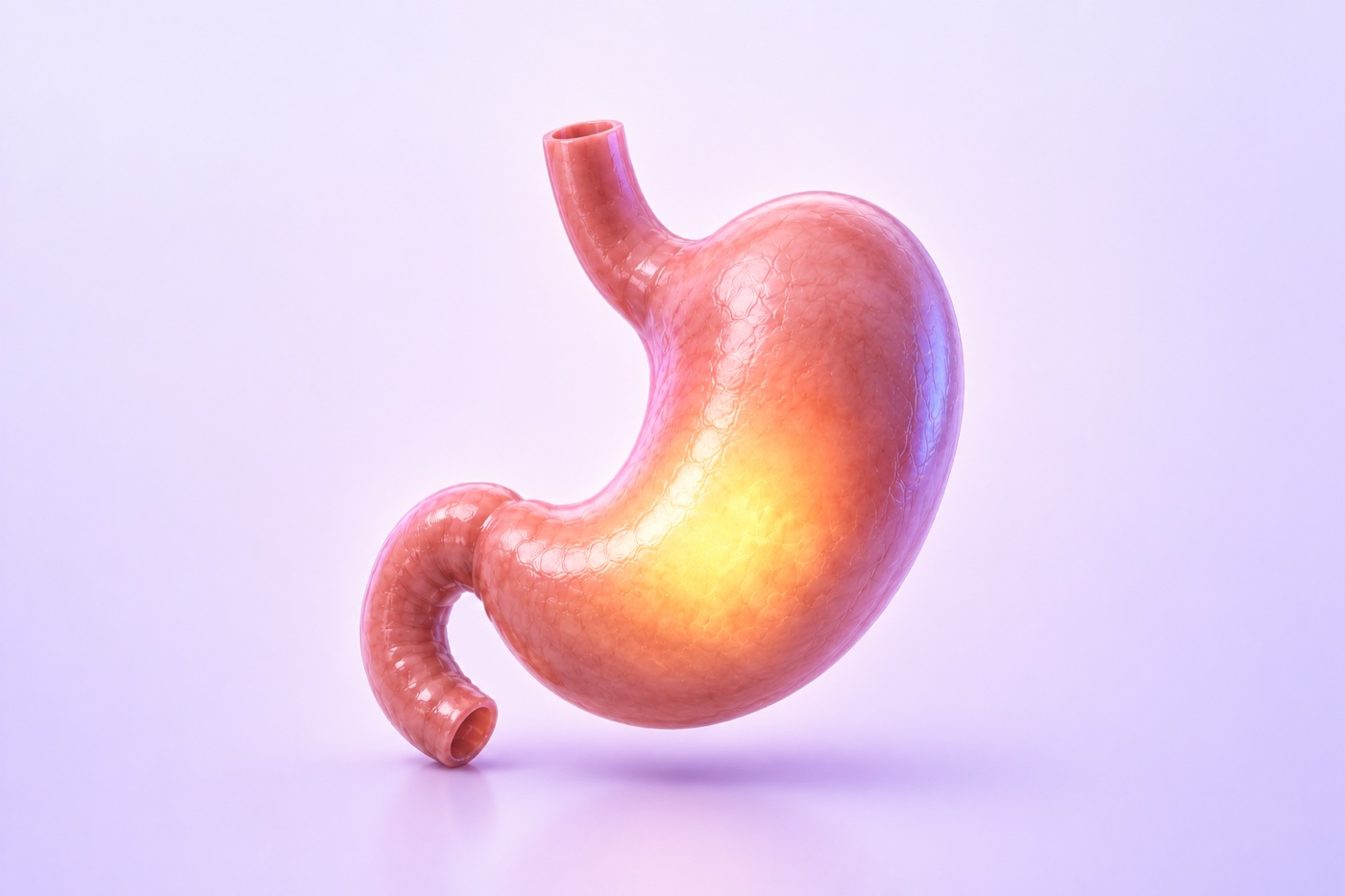

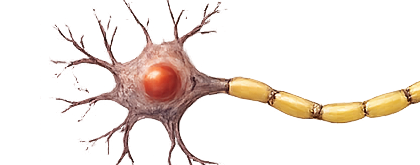
 NPYVia Y1/Y5 receptors → promotes eating & energy storage
 GABAInhibitory co-transmitter (Inhibit anorexigenic neurons)
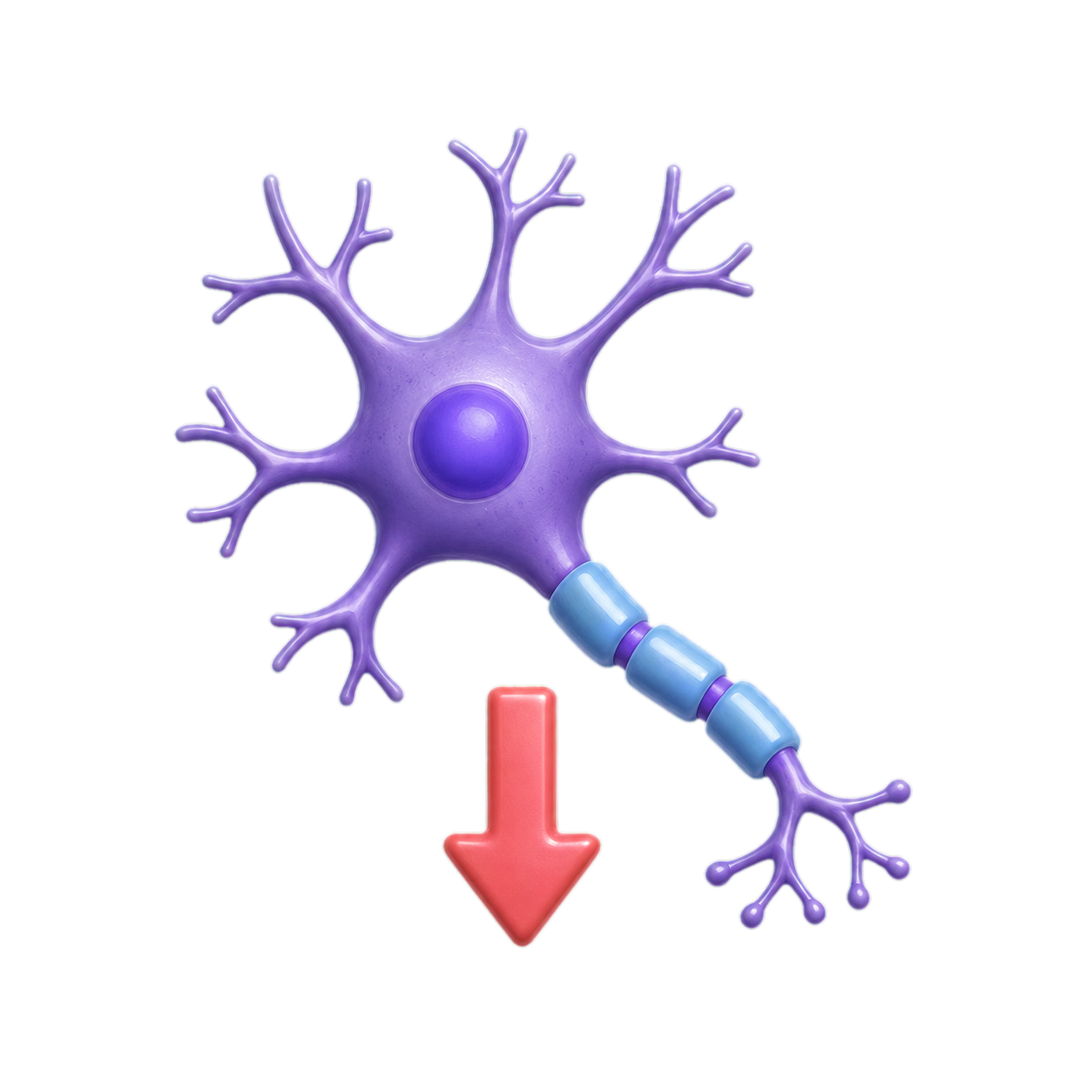





 POMC/α-MSH · STOP-EAT
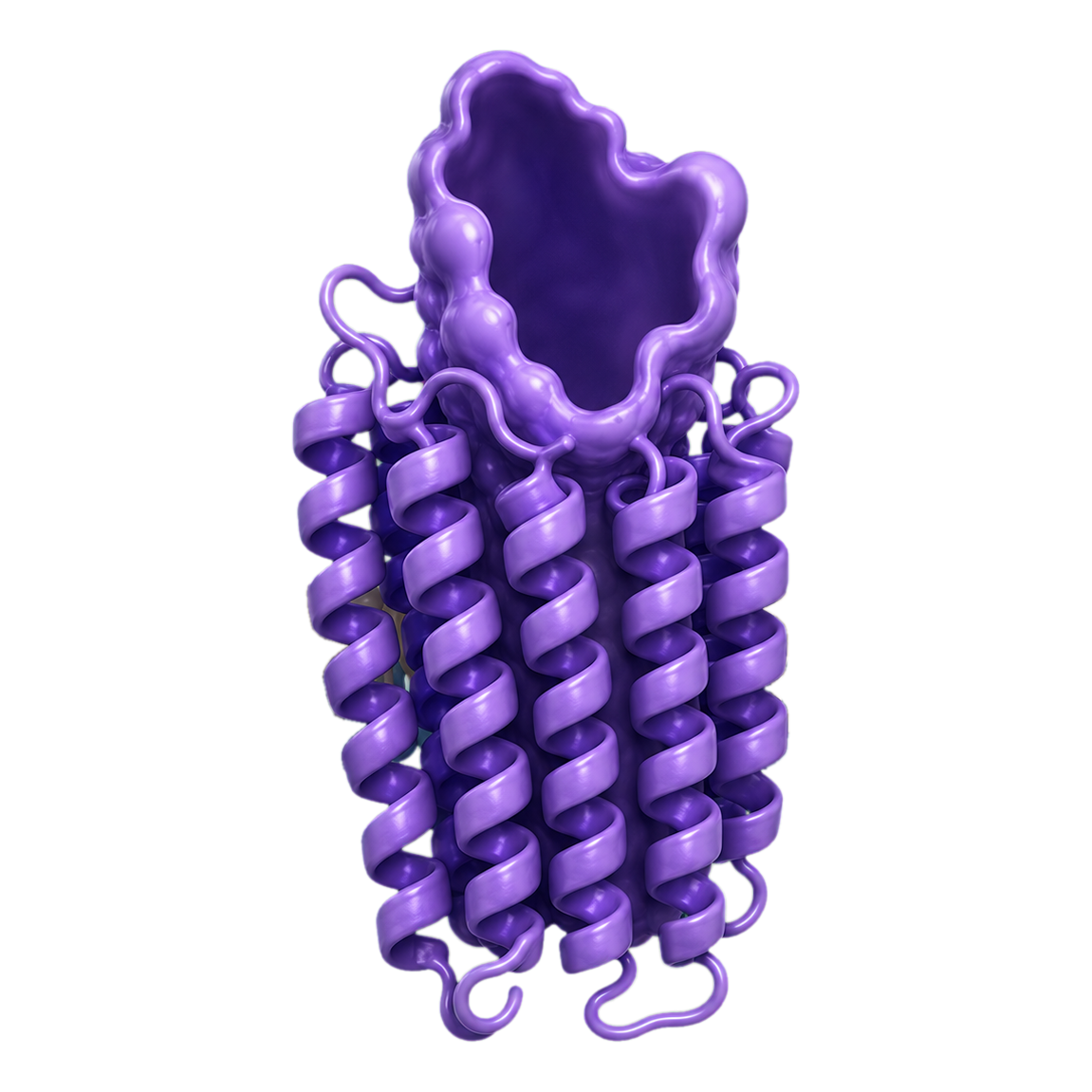


 CCK1 receptors on vagal afferents signal the brainstem.
 −
− −
−







 Reassess
 Secondary causes are rare · <1% endocrine, <3% genetic




 Metformin Insulin sensitiser
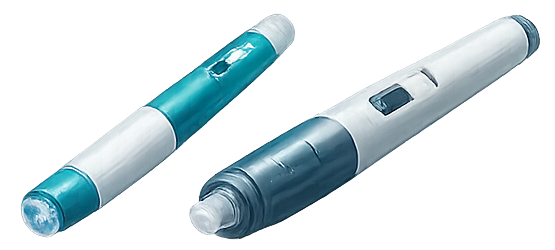 Liraglutide GLP-1 RA